The short answer
- The cause is solar gain: sunlight passes through the roof, warms the room and the heat is trapped. Which? says south-facing conservatories without shade overheat most.
- Start free: open windows and roof vents in the cool of the morning and evening. Roof blinds and a ceiling fan help, but a fan only moves the air.
- Solar control film costs around £1,000 for the roof of an average conservatory, according to Which?. Air conditioning works but is dear to buy and run.
- The lasting fixes change the roof. Performance glass lets 18% to 70% of the sun's heat through (maker figures). A tiled roof lets none through and costs about £7,400 to £12,100 for a medium conservatory.
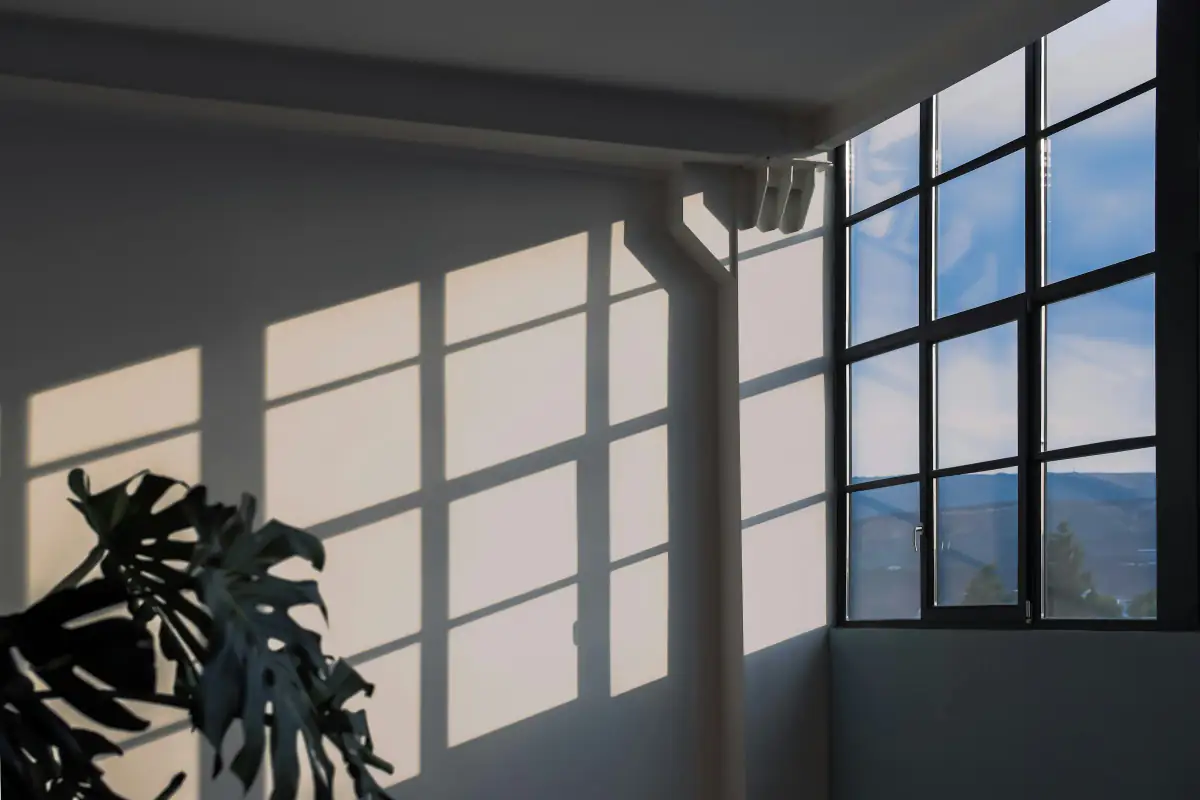
Your conservatory overheats because sunshine gets in far faster than the heat can get out. Glass and polycarbonate let most of the sun’s energy through, the floor and furniture soak it up, and the warm air collects under the roof. The nine fixes below run in cost order, from free to a new roof, with an honest note on how much each one does.
If you already suspect the roof is the problem, a new roof for a medium conservatory (about 4m x 3.5m) costs from about £1,800 for insulated panels to £12,600 for a hybrid roof, fitted. Our conservatory roof costs page has the detail by type and style.
Why is my conservatory so hot?
Three things drive it.
- Solar gain. Sunlight passes through the roof and walls and is absorbed by the floor, furniture and frames. They warm up and give that heat back to the room as warmth, which cannot pass back out through the glazing as easily as the sunlight came in. This is the greenhouse effect, and a conservatory is built to produce it.
- The roof faces the sky. In summer the sun is high, so a sloping roof takes sunshine more directly, and for longer, than the upright walls. Which? says the more glass there is in the roof, the greater the chance of overheating.
- Orientation, shade and air flow. Which? says south-facing conservatories without shade are the most prone to overheating, north-facing ones the least, and that poor ventilation makes it worse.
How much of the sun’s heat gets through depends on what the roof is made of. These are maker figures from Ultraframe’s glass roof technical guide:
| Roof | Share of the sun’s heat let through |
|---|---|
| Standard double glazed unit | 75% |
| Performance glass (standard range) | 24% to 70%, depending on tint |
| Top-grade performance glass | 18% to 45% |
| 25mm polycarbonate, clear | 63% |
| 25mm polycarbonate, opal | 37% |
| 25mm polycarbonate, bronze | 26% |
| 25mm polycarbonate, Solarguard | 8% |
| Solid tiled or insulated roof | None, except through roof windows |
The glass figures are g-values and the polycarbonate figures are solar transmission. They are measured slightly differently, so compare within each group rather than across them.
How hot can a conservatory get?
We could not find any independent measurements of conservatory temperatures by roof type. The figures online come from installers. One says it measured an air temperature of 47°C and 55°C on the inside of a south-facing polycarbonate roof in late July, without giving the date, address or equipment. Another says an old polycarbonate or basic glass roof can reach 40°C or more on a 25°C day, with no data cited. Treat both as sales claims.
What is independent is how common the complaint is. In a Which? survey of 3,037 members in April 2026, “the temperature is difficult to regulate” was the top conservatory regret, named by 24%.
How to stop a conservatory getting too hot: 9 fixes
Cheapest first:
- Open up at the cool end of the day (free). Which? recommends opening windows and doors in the early morning, evening and at night to bring cooler air in and let hot air out. It works on warm days; on its own it cannot keep up with a heatwave.
- Use the roof vents, or add some. Hot air rises, so an opening at the top of the room lets it escape. Which? says roof vents let hot air out naturally, and recommends small outward-opening vents at the top of window panes. Worth doing alongside any other fix. Our conservatory ventilation guide covers the types.
- Cool yourself, not the room. A ceiling fan costs far less than air conditioning, but Which? points out that it only moves air rather than lowering the temperature. Light, breathable furniture, plants and a stone floor can help a little too, Which? says.
- Fit roof blinds. Which? says blinds, particularly blackout or thermal regulation types, can reduce the heat coming in. The price is daylight: Ultraframe notes they also block your view of the sky. MyJobQuote puts blinds for the roof and windows of a medium conservatory at about £700 to £1,300 for budget roller blinds and £2,000 to £3,500 for electric pleated ones. We found no published test of how many degrees they save.
- Put solar control film on the roof glass. Film reflects part of the sun’s energy and can significantly reduce heat build-up, according to Which?, which puts a specialist fitting at around £1,000 for the roof of an average-sized conservatory.
- Air conditioning. Which? rates it one of the most effective ways to hold a steady temperature, but warns of high upfront and running costs. If the unit can also heat, check with building control first: a fixed heating appliance is one of the things that takes a conservatory out of its exemption from the energy efficiency rules (regulation 21(4) of the Building Regulations 2010).
- Insulated roof panels (about £1,800 to £4,600). Opaque insulated panels fitted into the existing roof bars stop direct sun coming through the roof. Check the building regulations position before you buy (see below).
- A solar control glass roof (about £3,500 to £7,000). Keeps the light and blocks much of the heat. Replacing one translucent roof with another is usually exempt from building regulations, provided the conservatory still meets the exemption conditions afterwards.
- A tiled or hybrid roof (about £6,600 to £12,600). No direct sun through the roof, apart from any roof windows or glazed panels. It is the only fix on this list that also deals with winter cold and rain noise.
Prices for 7 to 9 are typical fitted ranges for a medium conservatory. Installers usually quote including VAT, but check.

Do conservatory roof blinds reduce heat?
Yes, but less than changing the roof, and at the cost of light. A blind under the roof stops sunlight reaching the floor and furniture, so less heat is soaked up in the room. Because it sits inside, though, the fabric itself warms up behind the glass and some of that heat still ends up in the room.
Which? singles out blackout and thermal regulation blinds as the types that help. Blinds do nothing for leaks, cold or rain noise, so if you have those problems as well, read roof blinds or a new roof before you spend on them.
Does solar control film work on a conservatory roof?
Which? says it can significantly reduce heat build-up by reflecting part of the sun’s rays, and also suggests translucent or opaque film on glass roof panels. Two caveats. The £1,000 guide price is for roof glass, so if your roof is polycarbonate, ask the film supplier whether its product is made for it. And film is a fix for a sound roof: it does nothing for one that leaks or has gone brittle.
Glass roof conservatory too hot?
An older glass roof made of standard double glazed units lets about 75% of the sun’s heat through, on Ultraframe’s figures. Modern performance glass lets through 18% to 70%, depending on grade and tint. Ultraframe advises low light transmission, high solar rejection glass for south or west-facing rooms, and the Glass and Glazing Federation recommends solar control layers for south-facing conservatories. Our solar control glass guide explains the grades.
If you are swapping polycarbonate for glass, check the frames. LABC notes that frames built for a polycarbonate roof may only have enough reinforcement for that load, and one installer, Vivaldi, says the job mostly needs an entirely new roof designed for glass because glass is much heavier.
When is a new roof the real answer?
Blinds, film and vents manage the heat. They do not change how much sun the roof lets in, and they do nothing for cold, leaks or noise. A new roof makes sense when:
- the room is unusable on sunny days even with blinds down and vents open
- it is also too cold in winter
- the roof is polycarbonate that is discoloured, leaking or near the end of its life
- you want to use the room every month of the year
| New roof | Sun’s heat through the roof | Typical cost, medium conservatory |
|---|---|---|
| Insulated panels | None through the panels | £1,800 to £4,600 |
| Solar control glass | 18% to 70% | £3,500 to £7,000 |
| Tiled roof | None, except roof windows | £7,400 to £12,100 |
| Hybrid (tiled with glazed panels) | A small share, through the glazed panels | £6,600 to £12,600 |
Homeowners on the MoneySavingExpert forum who converted to a solid roof reported that it evened out the hot and cold swings and made the room usable year round. The catch is light: a tiled conservatory roof makes the room, and any room behind it, darker. A glass roof with solar control glass keeps the light but will still get warm on a south-facing site.
A solid roof, and on LABC’s reasoning opaque panels too, needs building regulations approval because it significantly reduces the translucence of the roof. Be wary of any seller who tells you panels need no approval without explaining why.
When you get quotes, ask each installer to put the g-value of the glass, or the U-value of the solid roof, in writing, so you can compare like with like.
Questions people ask
Which way facing conservatory gets the hottest?
Which? says south-facing conservatories without shade are the most prone to overheating, and north-facing ones are the least likely to overheat. Ultraframe advises glass with high solar rejection for south or west-facing rooms and glass that lets in more light for north or east-facing ones.
Is a tiled roof cooler than a glass roof in summer?
A solid tiled roof lets no direct sun through, apart from any roof windows, while performance glass lets through 18% to 70% of the sun's heat depending on grade and tint (Ultraframe figures). Which? warns that the more glass in the roof, the greater the chance of overheating. The trade-off is daylight, so a tiled roof makes the room darker.
Is air conditioning a good idea for a conservatory?
Which? describes air conditioning as one of the most effective ways to keep a conservatory at a steady temperature, but warns of high upfront and running costs. A ceiling fan is cheaper, though it only moves air rather than cooling it. If the unit can also heat, ask building control first, because a fixed heating appliance can end the conservatory's exemption from the energy efficiency rules.
Does tinted polycarbonate keep a conservatory cooler?
Yes, by a large margin on paper. Ultraframe's figures for 25mm sheet show 63% of the sun's energy getting through clear polycarbonate, 37% through opal, 26% through bronze and 8% through Solarguard. Tinted sheet also lets in less light, and it is still polycarbonate, so it stays cold in winter and loud in the rain.
Do I need building regulations approval to insulate a hot conservatory roof?
It depends on the product. LABC says work that significantly reduces the glazing or translucence of the roof ends the conservatory's exemption, which covers solid roofs and, on its reasoning, opaque panels and linings. Some panel sellers say no approval is needed, so ask how the product is approved before you buy.
Sources
- Which?: How to keep a conservatory cool
- Which?: The mistakes that will make your conservatory overheat in summer
- Which?: Conservatories, common pitfalls (April 2026 member survey)
- Ultraframe: Glass roof technical guide (g-values and polycarbonate solar transmission)
- Glass and Glazing Federation: Conservatories and energy efficiency
- LABC guidance on solid roofs to conservatories (May 2018 addendum)
- Building Regulations 2010, regulation 21
- MyJobQuote: Cost of installing blinds
- Southside Better Roofs: Conservatory too hot in summer (installer claim)
- Vivaldi: Replacing a polycarbonate conservatory roof with glass (installer claim)
- MoneySavingExpert forum: Solid conservatory roof opinions and experiences
Written by the Conservatory Roof Guide team
We research every figure from named sources: manufacturers' data, Met Office, HM Land Registry, LABC and published UK price guides. How we compare.
Reviewed by Zaib Khan
Founder of Conservatory Roof Guide. His team has handled 9,000+ conservatory roof quote requests from UK homeowners.