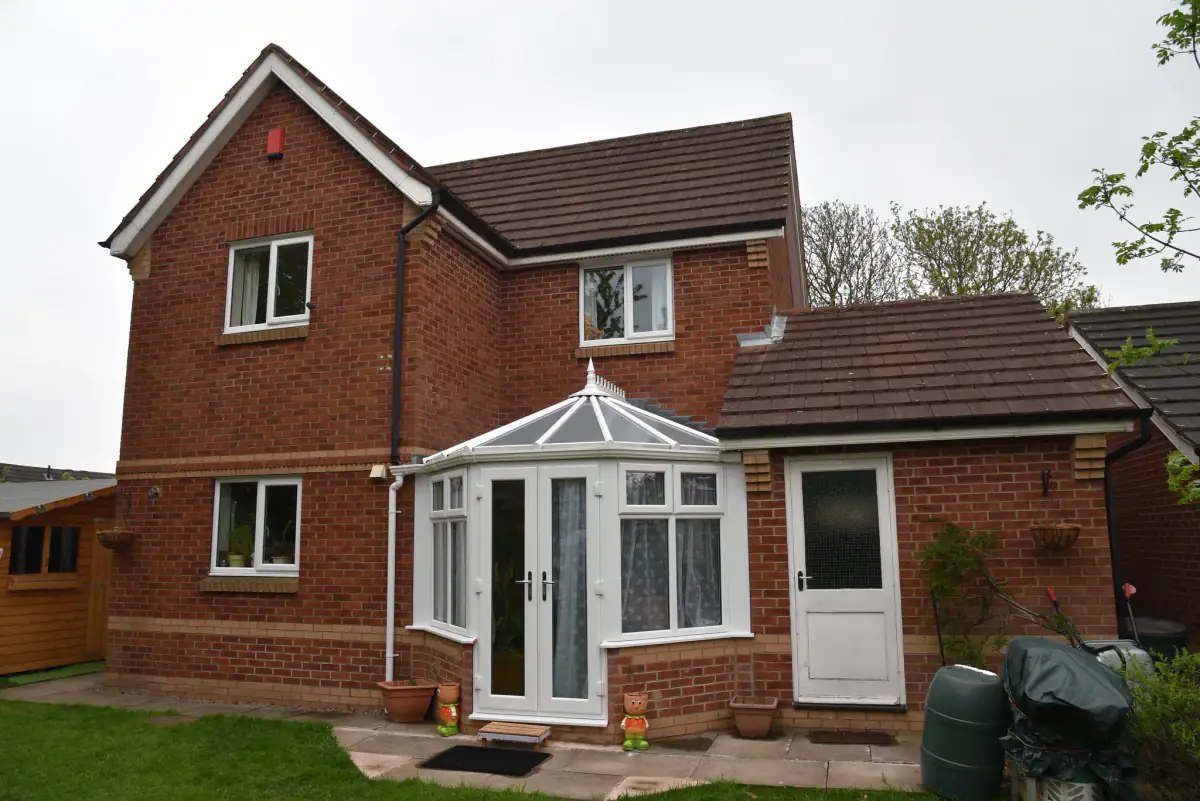
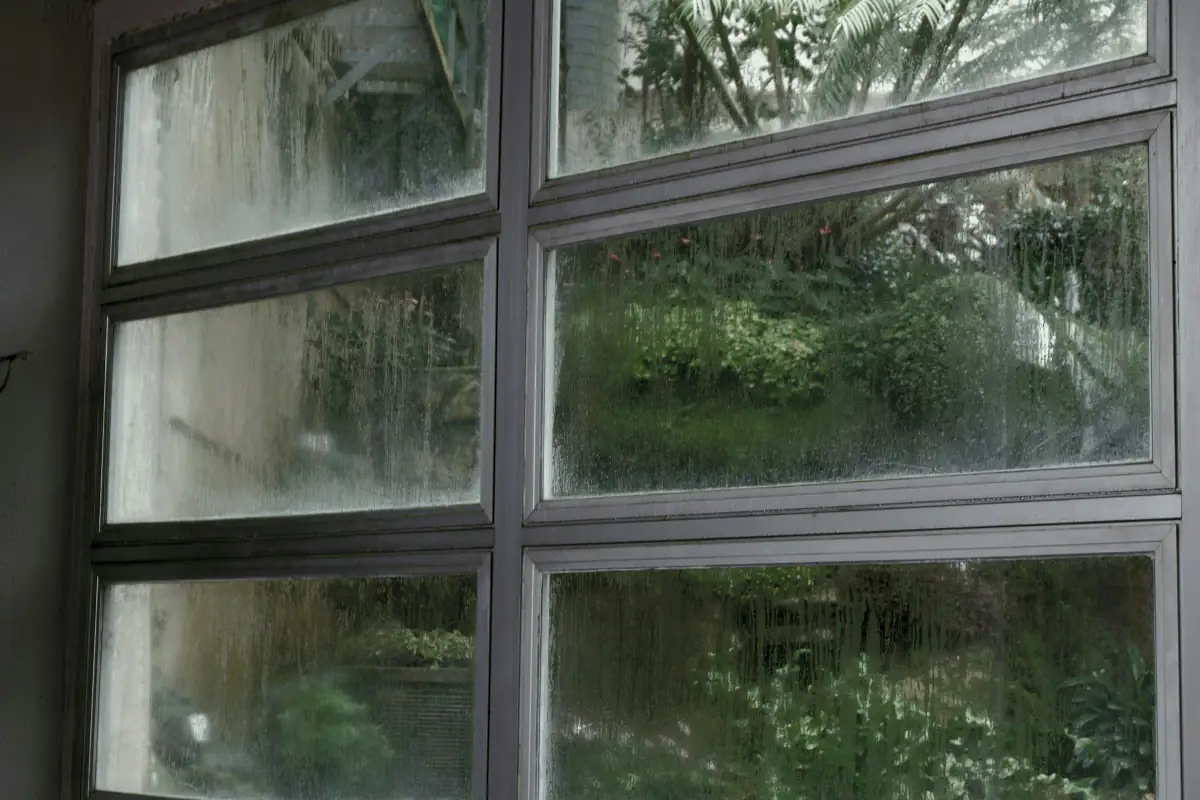
The short answer
- A standard double glazed roof unit has a U-value of 2.8 and lets through about 75% of the sun's heat, on Ultraframe's figures. Its performance glass brings that down to 1.0 to 1.2, letting through 18% to 70%.
- Choose by orientation: Ultraframe advises high solar rejection glass for south and west facing rooms and high light transmission for north and east. The GGF suggests low-e coatings for north-facing rooms and solar control layers for south-facing ones.
- Self cleaning glass uses a coating that breaks down dirt in daylight and lets rain wash it away. Which? says it needs a roof pitch of more than 10 degrees to work.
- A glass roof on a medium conservatory typically costs £3,500 to £7,000 fitted, and a like-for-like glazed roof on an exempt conservatory usually needs no building regulations approval.
- Even the best glass loses far more heat than a solid roof (1.0 against 0.15 W/m²K), so a south-facing room can still overheat.
What is the best glass for a conservatory roof?
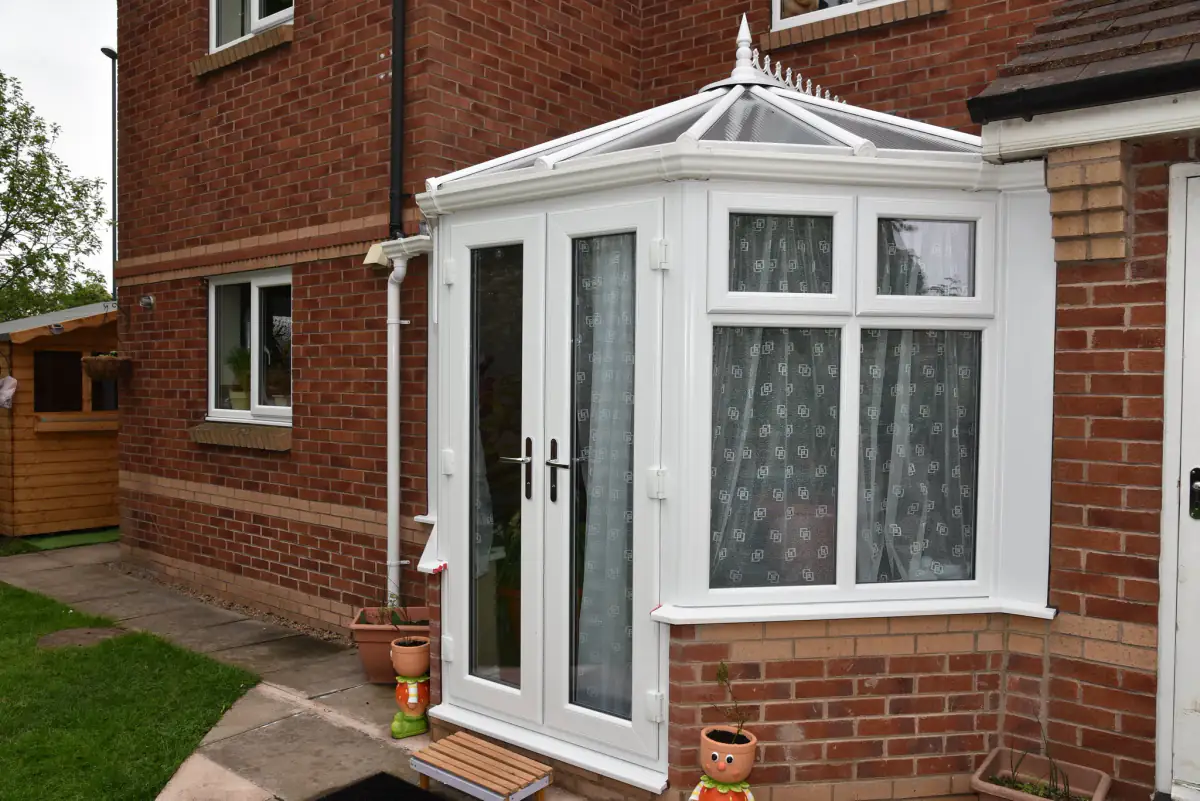
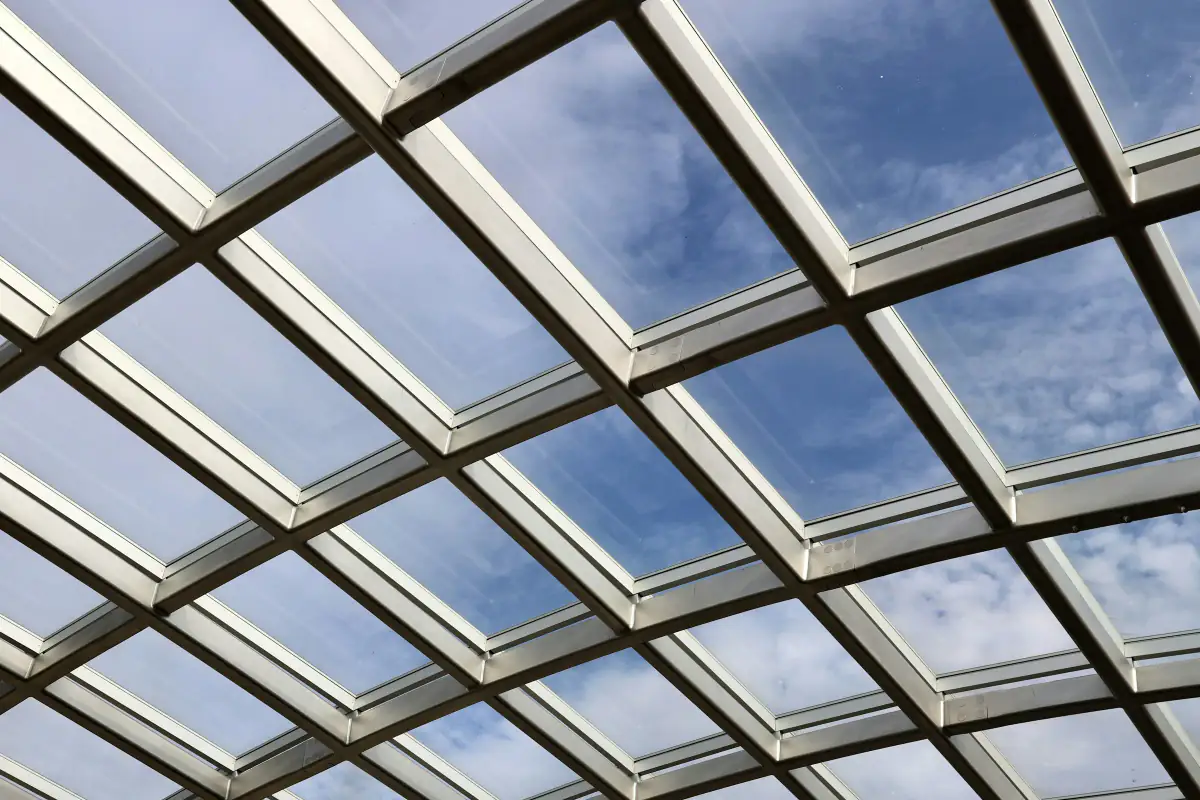
A toughened, double glazed performance unit with a solar control coating matched to the room’s orientation. For a south or west facing room, pick glass that rejects more of the sun’s heat; for north or east, pick glass that lets in more light. Add a self cleaning coating if the roof is steep enough.
That matches the advice from the industry and from Which?. Ultraframe says all its roof glass is “self cleaning, toughened and double glazed safety glass as standard”. Which? says specialist glass such as solar control glass can help with temperature control, that thermally efficient glass can be retrofitted to an existing conservatory, and recommends anti-glare, reflective or tinted glass for south-facing rooms.
Is a glass conservatory roof better?
Better than polycarbonate, not better than a solid roof for warmth. Which? says polycarbonate is less thermally efficient, noisier in rain and lets through less light than glass. A solid roof keeps far more heat in, but glass keeps the daylight and the view of the sky, and like-for-like usually avoids building regulations.
Which? notes that glass roofs are the most common because they bring in more light, but also warns that the more glass in a roof, the greater the chance of overheating. On our researched prices for a medium conservatory, a glass roof costs £3,500 to £7,000 fitted, against £2,700 to £5,200 for new polycarbonate and £7,400 to £12,100 for a tiled roof. The head-to-heads on glass vs polycarbonate and tiled vs glass go further.
How solar control glass works
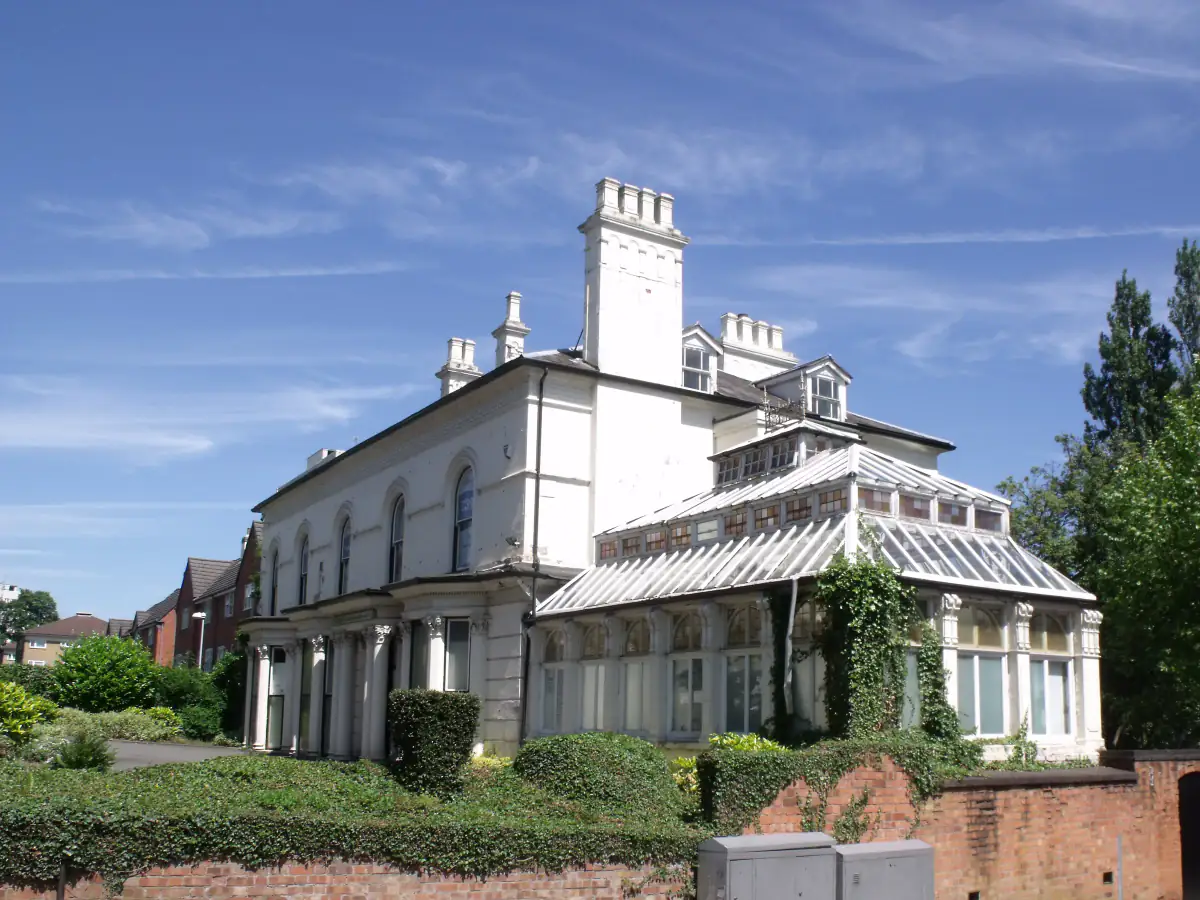
Two numbers describe roof glass. The U-value measures heat escaping, and lower is warmer in winter. The g-value is the share of the sun’s heat that gets through, and lower is cooler in summer. Light transmission, the share of daylight let through, is the third figure worth asking for.
| Roof glazing | U-value (W/m²K) | Sun’s heat let through (g-value) |
|---|---|---|
| Standard double glazed unit | 2.8 | 75% |
| Performance glass, standard range | 1.2 | 24% to 70%, depending on tint |
| Performance glass, top grade | 1.0 | 18% to 45% |
| For comparison: 25mm polycarbonate | 1.7 | 63% clear down to 8% for a solar control grade |
| For comparison: new solid roof in England | 0.15 | None |
The glass and polycarbonate figures are Ultraframe’s. The solid roof figure is the English building regulations limit. Our U-values guide compares every roof type.
Which tint should you choose?
It depends which way the room faces and how much light you want to keep. Tinted solar control glass rejects more heat and glare but lets in less light, which suits south and west facing rooms. Clearer, high light glass suits north and east. Ask for each option’s g-value and light transmission in writing.
| Room faces | Main problem | What to ask for |
|---|---|---|
| South or west | Overheating and glare | Low light transmission and high solar rejection (Ultraframe); a solar control layer (GGF); anti-glare, reflective or tinted glass (Which?) |
| North or east | Cold and gloom | High light transmission and low solar rejection (Ultraframe); a low-emissivity coating (GGF) |
Tints are sold under colour names, and the colour alone tells you little about performance. Ultraframe’s own range lets through anywhere from 18% to 70% of the sun’s heat depending on tint and grade, so compare the numbers, not the shade.
Is self cleaning glass worth it?
Often, if your roof is steep enough. Self cleaning glass has a coating that breaks down organic dirt in daylight and lets rain sheet it off, but Which? says it needs a roof pitch above 10 degrees to work. In a 2026 Which? survey, 10% of owners regretted how hard their glass was to clean.
Pilkington, which makes the Activ range, describes a photocatalytic coating that breaks down dirt in UV light and a surface that makes rain spread and run off, and says the glass will “carry on cleaning themselves, even on cloudy days”. Ultraframe’s guidance says self cleaning glass must be sealed with MS polymer sealant, not ordinary silicone, which is worth checking if a repair is ever needed. Where it is not standard, ExpertSure puts self cleaning glass at £120 to £200 extra per panel in its LivinRoof review. Our maintenance guide covers cleaning safely.
Will solar control glass stop a conservatory overheating?
It helps, but it may not be enough on its own. Performance glass lets in 18% to 70% of the sun’s heat against about 75% for a standard unit, yet Which? warns that the more glass in a roof, the greater the chance of overheating. South-facing rooms without shade are the most at risk.
Ventilation does a lot of the work. Which? says roof vents let hot air escape upwards and recommends small vents at the top of window panes. Ultraframe fits trickle ventilation in the ridge of its duo-pitch glass roofs as standard and recommends extra eaves vents where there is no insulated pelmet inside. If the room still cooks, the next steps are blinds, film or a roof with less glass, such as a hybrid roof. Our guide to a conservatory that is too hot sets out the options in order of cost.
Can you replace polycarbonate with glass?
Yes, and the conservatory can normally keep its building regulations exemption because the roof stays translucent. The catch is weight: glass is much heavier than polycarbonate, so most jobs need a whole new roof designed for glass, and LABC warns frames built for polycarbonate may only be reinforced for that lighter load.
Vivaldi, an installer, says these projects mostly “need an entirely new roof, designed specifically for glass”. A MoneySavingExpert contributor explained that glass sealed units are a different thickness, much heavier and need different fittings, and warned about snow load. The same thread contrasted a £1,700 quote to glaze the existing bars with £6,000 for a complete new roof. Ultraframe designs its glass roofs to the wind and snow loads for the postcode, with tie bars where specified. See our page on glass conservatory roofs.
Solar control film instead of new glass
If your glass roof is sound but too hot, film is the cheaper fix. Which? says solar control film reflects a portion of the sun’s rays and can significantly reduce heat build-up, and that a specialist would charge in the region of £1,000 to apply it to the roof glass of an average-sized conservatory. Which? also suggests blackout or thermal blinds, while Ultraframe notes that roof blinds shade the room but block views of the sky and natural light. Neither fixes a roof that leaks or has failing seals.
What does a glass roof cost?
On our researched prices, a new glass roof on a medium conservatory of about 4m x 3.5m costs £3,500 to £7,000 fitted, typically £5,200. Solar control and self cleaning upgrades add roughly £100 to £200 per panel where they are not standard, according to ExpertSure. Installers usually quote including VAT, but check.
Other guides differ: the Federation of Master Builders puts a replacement glass roof at £3,000 to £5,000, and MyJobQuote gives £2,000 to £3,400 for a small conservatory up to £4,500 to £6,800 for a large one. The glass roof cost guide breaks prices down by size and style.
When you get quotes, ask each installer for the U-value, g-value and light transmission of every glass option, whether self cleaning and toughened safety glass are standard, and whether the price is for new glass in the existing bars or a whole new roof designed for glass.
Questions people ask
Are glass conservatory roofs double glazed?
Modern replacement glass roofs are. Ultraframe says all its roof glass is toughened, double glazed safety glass as standard. Double glazed units still vary a lot, from a U-value of 2.8 for a standard unit to 1.0 for top-grade performance glass, so ask for the figure.
Is a glass roof noisy in the rain?
Less than polycarbonate. Which? says polycarbonate roofs can be noisier, particularly when it rains, and one installer describes glass as significantly quieter. We found no independent decibel measurements for any conservatory roof type.
Does a glass roof need building regulations approval?
Usually not when it replaces glass or polycarbonate on an exempt conservatory, as long as the conservatory still meets the exemption afterwards: ground level, not over 30m², separated from the house, no extended heating and compliant safety glazing. A conservatory that was never exempt is different, so ask building control.
How do I clean a glass conservatory roof?
Not by standing on it. Ultraframe says it is not safe to stand directly on a conservatory roof and that special ladders can be hired for access. Self cleaning glass reduces the work on a steep enough roof, and keeping the gutters clear helps prevent leaks.
Will a glass roof be warm enough in winter?
Warmer than old glass or polycarbonate, but still well behind a solid roof. Performance glass has a U-value of 1.0 to 1.2 W/m²K, against 0.15 for a new solid roof in England, so expect the room to feel colder than the house on winter evenings unless you heat it.
Sources
- Ultraframe glass roof technical guide
- GGF MyGlazing: conservatories and energy efficiency
- Which?: how to keep a conservatory cool
- Which?: conservatory common pitfalls
- Which?: the mistakes that will make your conservatory overheat
- Which?: types of conservatory
- Pilkington: Activ self-cleaning glass range
- Ultraframe LivinRoof installation guide (January 2026)
- ExpertSure: LivinRoof review
- Vivaldi: replacing a polycarbonate conservatory roof with glass
- MoneySavingExpert forum: replacing polycarbonate conservatory roof with glass
- LABC guidance on solid roofs to conservatories (May 2018 addendum)
- Building Regulations 2010, regulation 9
- FMB: conservatory roof replacement costs
- MyJobQuote: conservatory roof replacement costs
- Ultraframe: glass conservatory roofs
- Little Conservatory Company: polycarbonate vs glass roofs
Written by the Conservatory Roof Guide team
We research every figure from named sources: manufacturers' data, Met Office, HM Land Registry, LABC and published UK price guides. How we compare.
Reviewed by Zaib Khan
Founder of Conservatory Roof Guide. His team has handled 9,000+ conservatory roof quote requests from UK homeowners.