The short answer
- Panels cost about £1,800 to £4,600 for a medium conservatory; a tiled roof about £7,400 to £12,100, fitted. Installers usually quote including VAT, but check.
- Makers quote 0.29 W/m²K at the centre of a panel, and the old bars add heat loss. A tiled roof is built to 0.15 to 0.18 across the whole roof.
- Both block the sun and cut rain noise. Neither lets daylight through the roof, although tiled roofs can take roof windows.
- A tiled roof needs building regulations approval. Some panel sellers say panels do not, but LABC says cutting a roof's translucence ends the conservatory exemption. Check before you buy.
- Panels suit a sound frame and a tight budget. A tiled roof suits you if you want a proper room with the paperwork to prove it.
Both options turn a see-through roof into a solid, insulated one, and both will make a polycarbonate conservatory warmer and quieter. The difference is how far they go. A tiled roof removes the old roof completely and builds a new insulated structure with tiles outside and a plastered ceiling inside. Insulated panels slot into the existing glazing bars in place of the polycarbonate or glass, so you keep the old frame, ridge and roof shape.
That makes panels much cheaper and quicker, and a tiled roof much more complete. Which is right depends on your budget, the state of the existing roof frame and how much you care about paperwork when you sell.
Tiled roof vs insulated panels at a glance
| Tiled roof | Insulated roof panels | |
|---|---|---|
| Price, medium conservatory (about 4m x 3.5m), fitted | £7,400 to £12,100 (typically about £9,600) | £1,800 to £4,600 (typically about £3,100) |
| Heat lost (U-value, W/m²K) | 0.15 to 0.18 (0.12 to 0.13 versions for Scotland and Wales) | 0.29 to 0.5 (0.29 is the makers’ centre-of-panel figure; the old bars add to it) |
| Sun’s heat let in through the roof | None, apart from any roof windows | None |
| Time on site | 3 to 6 days | 1 to 3 days |
| Building regulations | Approval needed | Depends on the system; LABC’s view is that approval is likely needed |
| Lifespan | 25 years plus | 15 to 25 years |
| Daylight through the roof | Low, but roof windows can be added | Lowest: the roof becomes opaque |
| Rain noise | Quietest | Much quieter than polycarbonate |
Prices are our site-wide ranges for a medium conservatory (about 4m x 3.5m) across lean-to, Edwardian, Victorian and gable shapes, fitted; installers usually quote including VAT, but check. Panel U-values are makers’ claims for the panel itself (Thermotec and Superior Conservatory Panels both quote 0.29); tiled figures are from the main solid roof systems.
Which is warmer in winter?
The tiled roof. Panel makers quote 0.29 W/m²K for a 75mm panel, which is a big step up from polycarbonate at 1.3 to 1.7. But that figure is measured at the centre of the panel. Bryant & Cairns, a solid roof installer and so a competitor, argues that heat is still “lost at the same rate through the bars and ridge of the existing roof”, and that aluminium panel skins without thermal breaks can form cold bridges. Its view is commercial, but the point about the bars is a fair one to put to any panel seller.
A tiled roof is built to meet 0.15 across the whole roof, the figure Approved Document L sets for a new roof in England, with insulation packed between and under the rafters. Guardian, for example, requires foil-taped insulation over every batten “so no timber will be visible from the inside”. Neither option insulates your walls, windows or floor, so a room with old glazing and an uninsulated floor will still feel cooler than the house.
Which stays cooler in summer?
Both block the sun completely, which is where most summer heat in a conservatory comes from, so both are a big improvement on a glass or polycarbonate roof. A tiled roof has the edge in our ratings because its insulation is thicker: most systems use around 100mm or more of rigid board plus a further layer inside, against 75mm for a typical panel. The side windows still let sun in, so a south-facing conservatory will still need ventilation. See our page on a conservatory that gets too hot.
How much light will you lose?
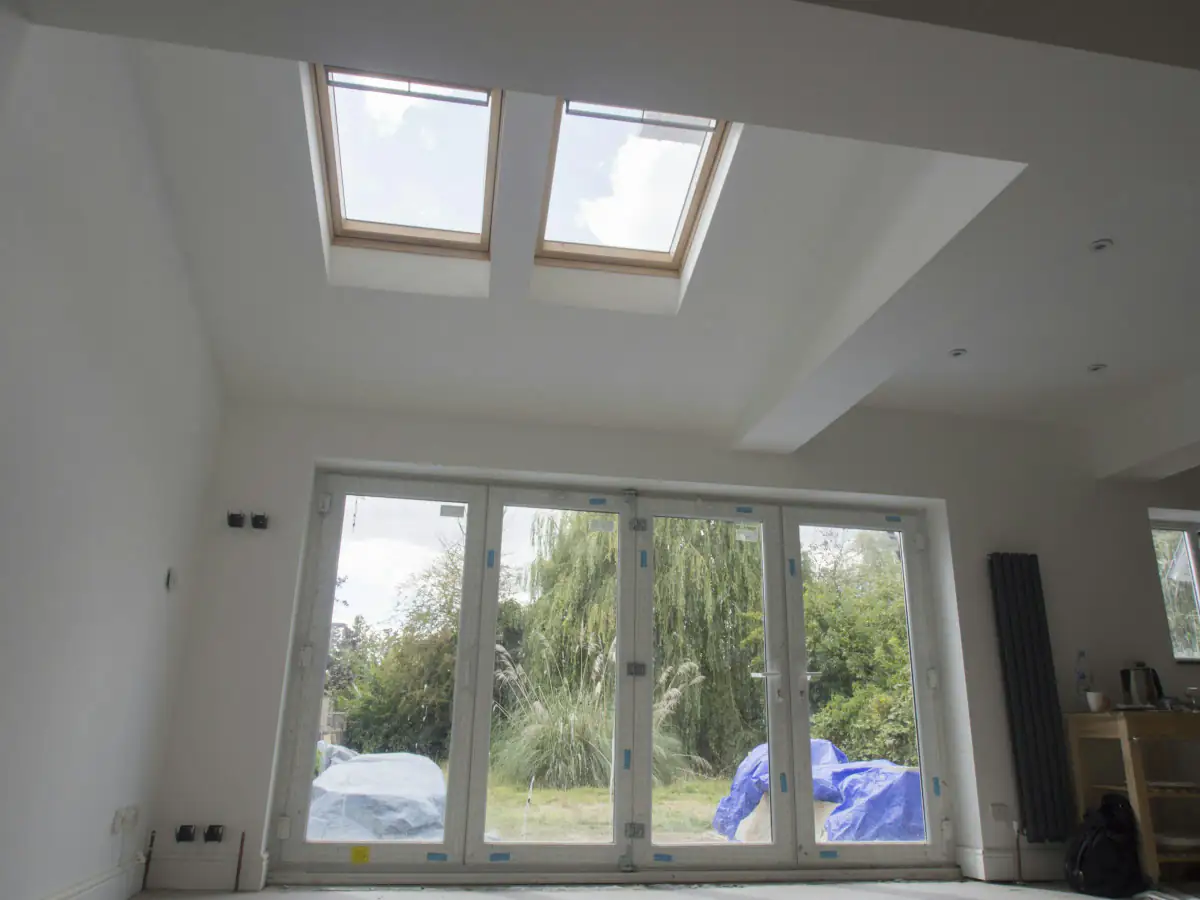
With either, you lose all the light that came through the roof. Light still comes in through the side windows and doors. The difference is what you can add back: most tiled systems take roof windows and some take glazed panels, which lets you put daylight where you want it. Panel conversions keep the existing bar layout, so you are working within the old roof. If light matters, compare a hybrid roof as well.
Which is quieter in the rain?
Tiled is the quietest roof you can buy, but panels close most of the gap compared with polycarbonate. One panel maker quotes customers saying they “no longer need ear defenders when it rains”. No independent decibel measurements were found for either option, so this rests on reports rather than tests.
Cost and value for money
On our figures panels typically cost about £3,100 for a medium conservatory and a tiled roof about £9,600. That panel range covers retrofit panels in the existing frame and internal linings; full external insulated panel roof systems are priced nearer a tiled roof, at around £6,000 to £12,000 on Warmer Roof’s figures. Panels are also quicker: one maker says a typical installation takes a day, and another quotes customers whose roofs were done in about four hours.
Value is harder to judge because you are buying different things. With panels you keep the existing frame, bars, ridge and gutters, including any leaks or wear they already have. Bryant & Cairns says panel guarantees often cover “only the panels themselves”, so ask exactly what a guarantee covers. Thermotec’s panels come with a 10-year guarantee according to a review of the product. MoneySavingExpert users who fitted panels reported a more usable room but negligible energy savings, which is the same story as for tiled roofs: comfort, not bills. See panel costs and tiled roof costs.
Building regulations and paperwork
This is where the two differ most, and where panel sales pitches are most often wrong. A tiled roof clearly needs a building regulations application: LABC says replacing a translucent roof with a solid one needs approval, and building control checks the frames, foundations and the new roof’s insulation before issuing a completion certificate.
Some panel sellers say no building regulations are needed. A review of Thermotec panels repeats the line “You do not need planning permission or Building Regulation compliance”. LABC’s guidance takes a different view: work that “significantly reduces the proportion of glazing, or level of translucence to the roof” means the conservatory “can no longer be considered exempt”, and it names products that underdraw or overclad existing polycarbonate roofs. On that reasoning an opaque panel roof is likely to need approval in England and Wales. There is no published ruling specific to panels, so ask your council’s building control before you sign, and treat a flat “no building regs needed” as a warning sign. If building control does treat the panels as a new roof, the 0.15 target applies, which a 0.29 panel does not meet on its own. Our building regulations guide explains the process.
Energy ratings are affected too. Since 6 August 2026, an assessor records a conservatory whose roof has been replaced as an extension, and without evidence of insulation a pitched roof is entered as uninsulated. Keep the specification sheet for whichever roof you choose.
Looks and resale
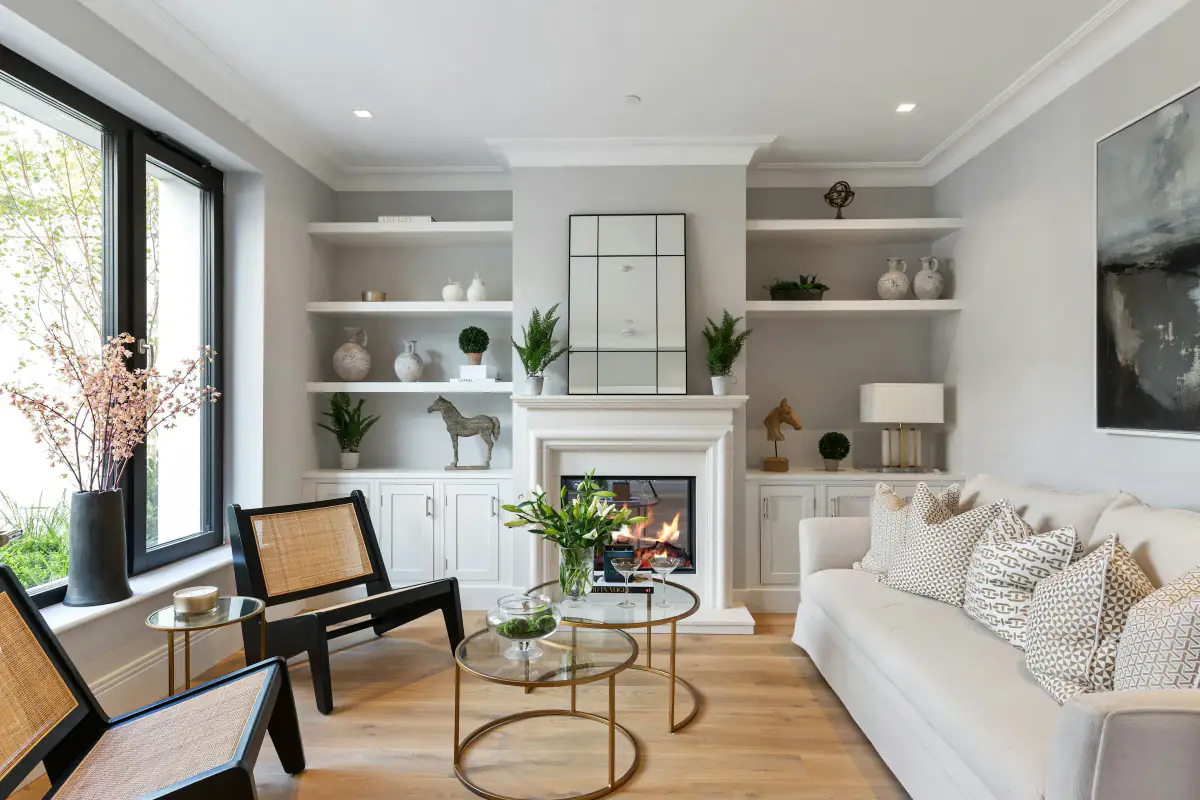
A tiled roof looks like part of the house: tiles or slate-effect finish outside, and a smooth plastered ceiling with spotlights inside. Panels keep the conservatory’s original shape and bars, so from outside it still reads as a conservatory with a solid roof. Inside, you see the panels between the existing bars rather than a plastered ceiling.
No independent data shows what either adds to a sale price. What buyers’ solicitors do ask about is building regulations approval. A tiled roof with a completion certificate is straightforward. A panel roof fitted without approval could raise questions if building control would have expected an application.
Tiled roof or insulated panels: which should you choose?
- Your frame and bars are sound, the budget is under about £5,000 and you mainly want to stop the cold and noise: insulated panels, from a firm that will confirm the building control position in writing.
- You want the room to feel like part of the house, with a plastered ceiling and lights: tiled.
- The existing roof leaks at the ridge, bars or gutters: tiled, because panels keep those parts.
- You plan to sell in the next few years: tiled with a completion certificate is the cleaner route; if you choose panels, get the approval paperwork.
- You want warmth but hate losing the sky: neither; look at a hybrid roof or solar control glass.
When you get quotes, ask each installer for the whole-roof U-value, not just the panel figure, what the guarantee covers, and who is responsible for building control. Our guide to comparing quotes has the full list.
Heat lost and sun let in, side by side
Questions people ask
Do insulated roof panels need building regulations approval?
Probably, in England and Wales. Some panel sellers say no approval is needed, but LABC's guidance says work that significantly reduces the translucence of a conservatory roof ends its exemption. Ask the installer, in writing, how the job will be approved and who will get the certificate.
What U-value do insulated roof panels achieve?
Makers quote about 0.29 W/m²K for a 75mm panel, measured at the centre of the panel. A rival solid roof installer points out that heat is still lost through the existing bars and ridge, so the figure for the whole roof will be higher. A new solid roof in England has to meet 0.15.
Will insulated panels stop rain noise?
They make a big difference compared with polycarbonate. One panel maker quotes customers who no longer need ear defenders when it rains, and press coverage of retrofit insulated roofs reports lower noise, although no measured decibel figures were published.
Will insulated panels cut my heating bills?
Probably not by much. MoneySavingExpert users who fitted panels reported a more usable room but negligible energy savings. As with any roof, the main gain is comfort.
Can insulated panels cause condensation?
They can if badly specified. A solid roof competitor warns that aluminium-skinned panels without thermal breaks can create cold bridges where condensation forms. Ask how the panels are thermally broken and how the room will be ventilated.
Sources
- LABC guidance on solid roofs to conservatories (2018 addendum)
- LABC Front Door: Replacing a conservatory roof
- Door and Window Experts: Thermotec roof panels review
- Superior Conservatory Panels: Polycarbonate vs aluminium roof
- Bryant & Cairns: The pitfalls of budget replacement roof options
- Approved Document L, Volume 1 (2021 edition incorporating 2023 amendments)
- MoneySavingExpert forum: Conservatory roof replacement, is this worth it?
- Ultraframe: How to insulate a conservatory roof
- Irish Examiner: Retrofit insulated conservatory roofs
- BRE: RdSAP Conventions v12.2
- Guardian Warm Roof installation guide
- MyJobQuote: Conservatory roof replacement cost (2026 guide)
- ExpertSure: Conservatory roof replacement cost UK 2026
Written by the Conservatory Roof Guide team
We research every figure from named sources: manufacturers' data, Met Office, HM Land Registry, LABC and published UK price guides. How we compare.
Reviewed by Zaib Khan
Founder of Conservatory Roof Guide. His team has handled 9,000+ conservatory roof quote requests from UK homeowners.