The short answer
- Prices overlap: about £2,700 to £5,200 for new polycarbonate and £1,800 to £4,600 for insulated panels on a medium conservatory, fitted. Installers usually quote including VAT, but check.
- Panel makers quote 0.29 W/m²K at the centre of the panel, against 1.3 to 1.7 for 25mm to 35mm polycarbonate. The old bars still lose heat with either.
- Polycarbonate lets in 8% to 63% of the sun's heat and is the loudest roof in rain. Panels let in no sun and are much quieter.
- Panels make the roof opaque, so the room gets darker, and LABC's view is that an opaque roof needs building regulations approval.
- Both reuse the existing roof bars, so check their condition first. See insulated roof options.
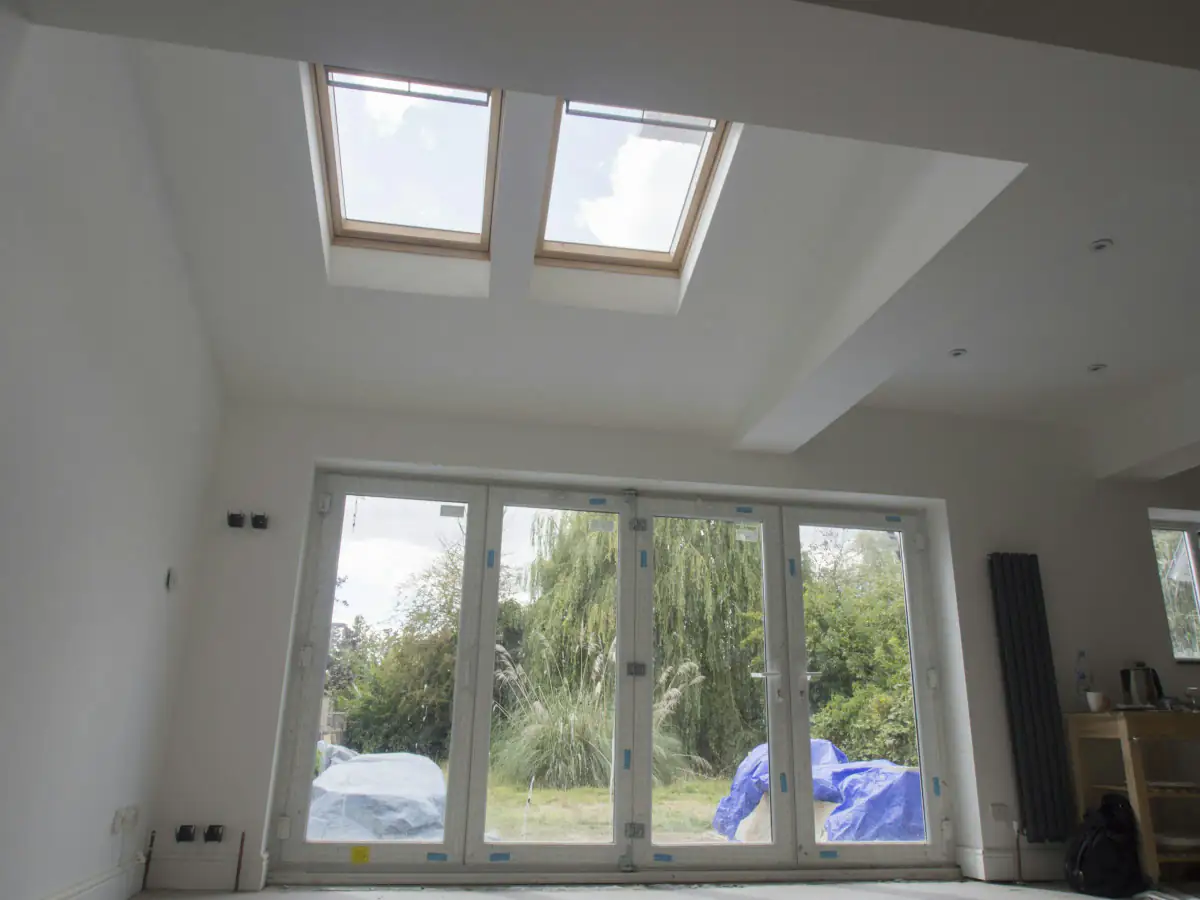
When a polycarbonate roof starts to leak, discolour or crack, the cheapest two fixes both keep your existing roof frame. You can re-sheet it with new polycarbonate, or you can fill the same bars with insulated panels. They cost about the same, and they are fitted in a similar time, but they give you very different rooms.
New polycarbonate gives you back the conservatory you had when it was new: bright, hot in summer, cold in winter and loud in the rain. Insulated panels give you a darker but far more comfortable room, with one extra question to settle first: building regulations.
New polycarbonate vs insulated panels at a glance
| New polycarbonate roof | Insulated roof panels | |
|---|---|---|
| Price, medium conservatory (about 4m x 3.5m), fitted | £2,700 to £5,200 (typically about £3,900) | £1,800 to £4,600 (typically about £3,100) |
| Heat lost (U-value, W/m²K) | 1.3 to 1.7 for 25mm to 35mm sheet (up to about 2.4 for 16mm) | 0.29 to 0.5 (0.29 is the makers’ centre-of-panel figure; the old bars add to it) |
| Sun’s heat let in through the roof | 8% to 63%, from Solarguard tint to clear | None |
| Time on site | 1 to 2 days | 1 to 3 days |
| Building regulations | Exempt when like for like | Depends on the system; LABC’s view is that approval is likely needed |
| Lifespan | 10 to 20 years | 15 to 25 years |
| Daylight through the roof | Good when new, falling as sheets discolour | None: the roof becomes opaque |
| Rain noise | Loudest of any roof | Much quieter |
Prices are our site-wide ranges for a medium conservatory (about 4m x 3.5m) across lean-to, Edwardian, Victorian and gable shapes, fitted; installers usually quote including VAT, but check. Polycarbonate figures are from Ultraframe’s published data for its 25mm and 35mm sheet; panel figures are makers’ claims from Thermotec and Superior Conservatory Panels.
Which is warmer in winter?
Panels, clearly. Ultraframe rates its 25mm polycarbonate at 1.7 W/m²K and its 35mm sheet at 1.3. Thinner sheets are worse: one panel maker quotes 2.4 for 16mm. Panel makers quote 0.29 for a 75mm insulated panel, so the panels themselves lose around a fifth of the heat of good polycarbonate or less.
The limit is the old roof frame. A panel conversion keeps the existing glazing bars, ridge and eaves, and a solid roof installer argues that heat is still “lost at the same rate through the bars and ridge of the existing roof”. That applies equally to new polycarbonate, so it does not change which option is warmer, but it does mean a panel roof will not perform like a purpose-built insulated roof at 0.15. Condensation is the other winter issue. Retail guidance says condensation under polycarbonate is common, and the same critic warns that panels without thermal breaks in their aluminium skins can create cold spots of their own. See our page on conservatory condensation.
Which stays cooler in summer?
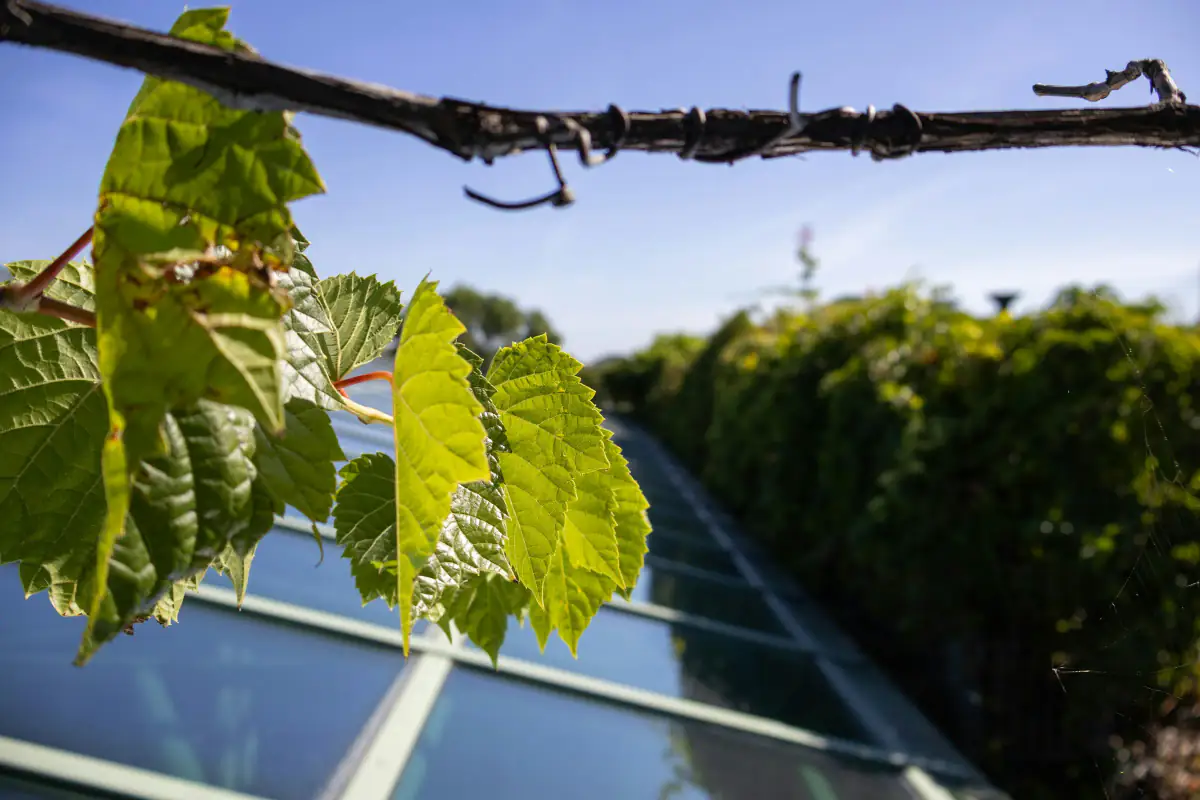
Panels, because they let no sun through the roof. Clear 25mm polycarbonate lets through 63% of the sun’s heat on Ultraframe’s figures, opal 37%, bronze 26% and its Solarguard tint 8%. The darker tints help, but they darken the room too. Temperature control is the single biggest complaint about conservatories: 24% of Which? members surveyed in April 2026 said the temperature is difficult to regulate, and Which? says polycarbonate can be “a false economy” for that reason.
How much light will you lose with panels?
All of the light that comes through the roof. Clear polycarbonate lets through about 68% of visible light when new, so switching to panels makes a real difference, especially if a room behind the conservatory borrows its light. The side windows and doors still let daylight in. If you want to keep a see-through roof but lose the noise and some of the heat, look at glass instead: see glass vs polycarbonate.
Which is quieter in the rain?
Panels. Which? says polycarbonate can be noisier, particularly in rain, and ExpertSure calls rain noise the most-cited complaint about it. No independent decibel tests were found, but one panel maker quotes customers who “no longer need ear defenders when it rains”. New polycarbonate will be as loud as the old sheets, whatever the thickness. Our page on a noisy conservatory roof has other options.
Cost and value for money
The price ranges overlap: our typical figures are about £3,900 for new polycarbonate and £3,100 for panels on a medium conservatory, so panels are often slightly cheaper. Full external insulated panel roof systems are a different, dearer product, at around £6,000 to £12,000 on Warmer Roof’s figures. Both jobs reuse the existing bars. On a re-sheet, the glazing bar caps and their clips often break when prised off and need replacing, and one supplier replaced the bars themselves on a roof at least 10 years old as a precaution. Ask whether bar repairs are in the price for either option. See polycarbonate roof costs and insulated panel costs.
Guarantees are similar on paper. Ultraframe and Exolon offer 10 years on their polycarbonate sheet, and Thermotec’s panels carry a 10-year guarantee according to a review. A critic of panel systems says the guarantee often covers “only the panels themselves”, so check whether leaks at the bars and ridge are included.
Bills are unlikely to fall much either way. MoneySavingExpert users who fitted panels reported a more usable room but negligible energy savings. One polycarbonate installer claims high-insulation sheet cuts winter heat loss by up to 80%, without saying against what, so treat that with care.
Building regulations and paperwork
New polycarbonate replacing polycarbonate is generally exempt, provided the conservatory still meets the exemption afterwards: ground level, no more than 30m², separated from the house by external doors or windows, and not heated by the house’s central heating.
Panels are different. Some panel sellers say no building regulations are needed; a review of Thermotec repeats that claim. LABC’s guidance says that work which “significantly reduces the proportion of glazing, or level of translucence to the roof” means the conservatory “can no longer be considered exempt”, and it specifically mentions products that underdraw or overclad existing polycarbonate roofs. There is no published ruling on panels as such, so ask your council’s building control before you sign. Treat a flat “you don’t need building regs” as a red flag, and get the installer’s position in writing.
Weight is part of the same conversation. Polycarbonate weighs only a few kilos per square metre, and LABC says frames under a polycarbonate roof “may only have sufficient reinforcement to carry that particular load”. The panel makers in our research do not publish weights, so ask for the figure and how your frames were checked.
Looks and resale
New polycarbonate looks bright and clean when fitted, but it discolours again with age, and buyers tend to see it as the sign of an old conservatory. Panels keep the conservatory’s outline and bars but read as a solid roof from outside. No independent figures show what either adds to a sale price.
Paperwork and energy ratings are where panels need more care. Since 6 August 2026, a conservatory whose replaced roof is less than 75% glazed is recorded as an extension on an energy assessment, and a pitched roof with no evidence of insulation is entered as uninsulated. Keep the panel specification and any building control certificate with your house papers.
New polycarbonate or insulated panels: which should you choose?
- You mostly use the room in spring and autumn and love the light: new polycarbonate in 25mm or 35mm, or glass if you can stretch the budget.
- It is too hot in summer, too cold in winter and too loud when it rains: insulated panels.
- You are selling soon and want no paperwork questions: new polycarbonate.
- The bars, ridge or gutters leak or sag: fix or replace those first; neither option cures a failing frame. A full tiled roof replaces the lot.
- A kitchen or lounge behind the conservatory borrows its light: polycarbonate or glass, not panels.
When you get quotes for panels, ask for the whole-roof U-value rather than the panel figure, what the guarantee covers, the panel weight, and who will handle building control.
Heat lost and sun let in, side by side
Questions people ask
Can insulated panels go into my existing polycarbonate roof bars?
That is how most panel systems work: makers such as Thermotec say their panels fit into existing roof bars. The bars, ridge and seals stay, so get their condition checked. One supplier replaced the bars on a roof at least 10 years old as a precaution when re-sheeting.
Is 35mm polycarbonate nearly as good as insulated panels?
No. Ultraframe rates its 35mm polycarbonate at a U-value of 1.3, while panel makers quote 0.29 at the centre of the panel. Thicker polycarbonate is better than thin sheet, but it still lets in sun and rain noise.
How long do insulated roof panels last?
We use 15 to 25 years as a working range. Thermotec's panels carry a 10-year guarantee according to a review of the product, but no independent lifespan data was found, and a panel roof is only as sound as the old bars and seals it sits in.
Do insulated panels cause condensation?
They can if they are poorly made or fitted. A solid roof competitor warns that aluminium-skinned panels without thermal breaks can create cold bridges where condensation forms. Ask the installer how the panels are thermally broken and how the room will be ventilated.
Can I re-sheet a polycarbonate roof myself?
Some people do. One DIY account describes two people re-sheeting a lean-to with 25mm multiwall in a full day for £324 in materials. The glazing bar caps and clips often break when removed and need replacing, and you should never stand on the roof.
Sources
- Ultraframe glass roof technical guide (includes polycarbonate figures)
- Door and Window Experts: Thermotec roof panels review
- Superior Conservatory Panels: Polycarbonate vs aluminium roof
- Bryant & Cairns: The pitfalls of budget replacement roof options
- LABC guidance on solid roofs to conservatories (2018 addendum)
- Which?: Conservatories common pitfalls (April 2026 member survey)
- Which?: Conservatory prices
- HTG/insu: Replacement polycarbonate conservatory roof
- Omega Build: How to replace a conservatory roof (case study)
- Kezzabeth: Replacing a conservatory roof (DIY account)
- MoneySavingExpert forum: Conservatory roof replacement, is this worth it?
- BRE: RdSAP Conventions v12.2
- MyJobQuote: Conservatory roof replacement cost (2026 guide)
- ExpertSure: Conservatory roof replacement cost UK 2026
Written by the Conservatory Roof Guide team
We research every figure from named sources: manufacturers' data, Met Office, HM Land Registry, LABC and published UK price guides. How we compare.
Reviewed by Zaib Khan
Founder of Conservatory Roof Guide. His team has handled 9,000+ conservatory roof quote requests from UK homeowners.