The short answer
- Glare is too much light from overhead, and a glazed roof lets in sky light all day. Fading is sunlight, especially its ultraviolet part, breaking down dyes in fabrics and finishes.
- Which? recommends anti-glare, reflective or tinted glass for south-facing conservatories. Ultraframe advises low light transmission, high solar rejection glass for south or west-facing rooms.
- Cheaper fixes: roof blinds (about £700 to £1,300 for budget roller blinds across a medium conservatory's roof and windows, per MyJobQuote) or solar control film (around £1,000, per Which?).
- We found no independent tests of how much each option slows fading, so treat a quoted percentage cut in fading as a sales claim.
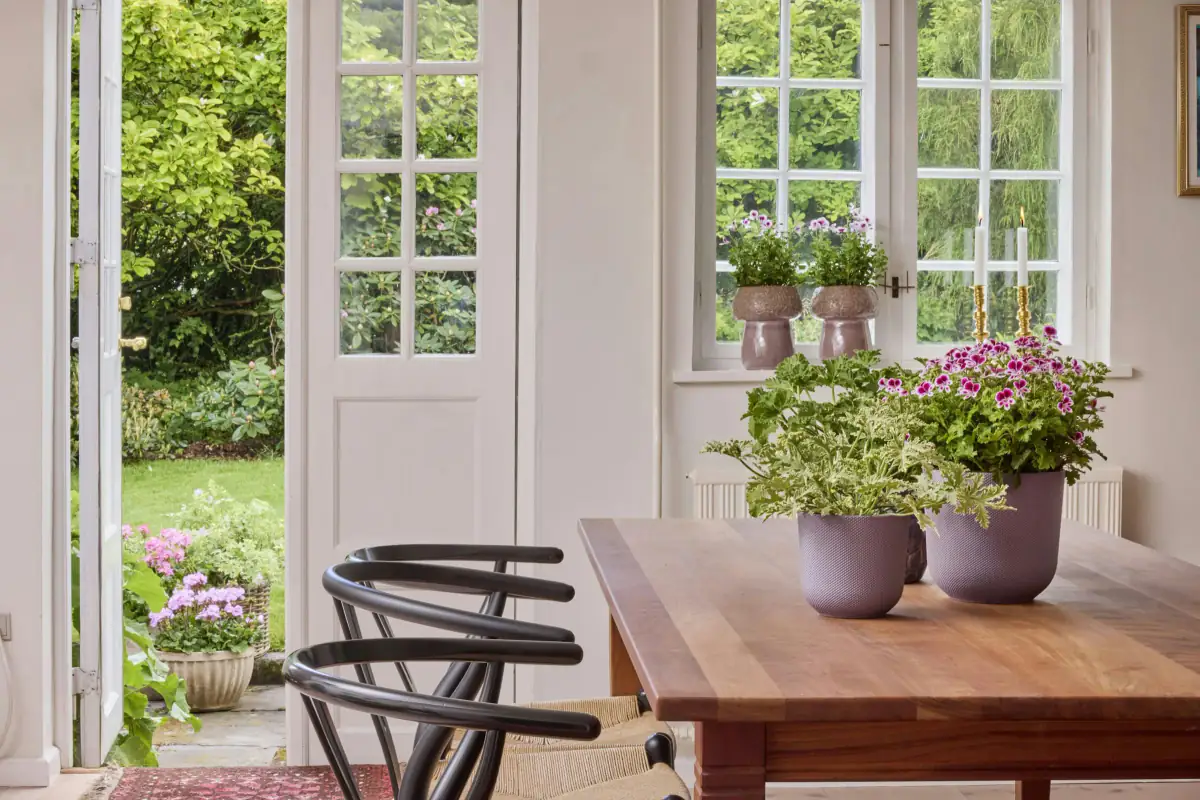
A conservatory roof lets in far more sky than a window does, and on a bright day that light arrives from overhead, straight into your eyes and onto screens, rugs and sofas. The result is glare you cannot easily escape and fabrics that fade faster than they would elsewhere in the house. Both come from the same light, so most fixes deal with both.
What causes glare and fading in a conservatory?
Glare is what happens when part of your view is much brighter than the rest. Your eyes adjust to the bright sky through the roof, so screens look washed out and the room behind looks dim. A clear roof makes it worse: one retailer quotes 85% light transmission for clear 10mm polycarbonate.
Fading is sunlight, especially its ultraviolet part, breaking down the dyes in fabrics, rugs and wood finishes. The more hours of direct sun a surface gets, the faster it fades, and a glazed roof gives it sun for most of the day. We found no independent data on how fast furniture fades under different conservatory roofs.
Glare and heat usually travel together, so if the room also overheats, read conservatory too hot alongside this page.
How to reduce glare and fading
In rough cost order:
- Move what matters (free). Put screens and the TV where the sun cannot reach them, and turn rugs and cushions now and then so they fade evenly.
- Fit roof blinds. They cut glare as soon as they are closed. Ultraframe notes the trade-off: blinds also block your view of the sky and some daylight. MyJobQuote puts blinds for the roof and windows of a medium conservatory (10 to 14 blinds) at about £700 to £1,300 for budget roller blinds, £1,300 to £2,300 for pleated and £2,000 to £3,500 for electric pleated.
- Apply solar control or reflective film. Which? says reflective film reflects part of the sun’s rays and suggests translucent or opaque film on glass roof panels, at around £1,000 for an average-sized conservatory. If a film is sold on its UV blocking, ask for the figure in writing.
- Choose a tinted sheet when you re-sheet polycarbonate. Opal (milky) sheet scatters light, which softens hard shadows. On Ultraframe’s figures, 25mm opal lets through 37% of the sun’s energy, bronze 26% and Solarguard 8%, against 63% for clear. A new polycarbonate roof for a medium conservatory costs about £2,700 to £5,200.
- Fit solar control glass. Which? recommends anti-glare, reflective or tinted glass for south-facing conservatories. A new glass roof costs about £3,500 to £7,000 for a medium conservatory.
- Go hybrid. A hybrid roof puts glazed panels only where you want them and solid, insulated roof everywhere else, for about £6,600 to £12,600.
- Fit a solid roof with roof windows. Overhead glare disappears, and light comes in through the walls and any roof windows instead. Guardian’s brochure says its roof “reduces rain noise and sun glare”, a maker claim. A tiled roof costs about £7,400 to £12,100 for a medium conservatory.
Roof prices are typical fitted ranges for a medium conservatory (about 4m x 3.5m). Installers usually quote including VAT, but check.
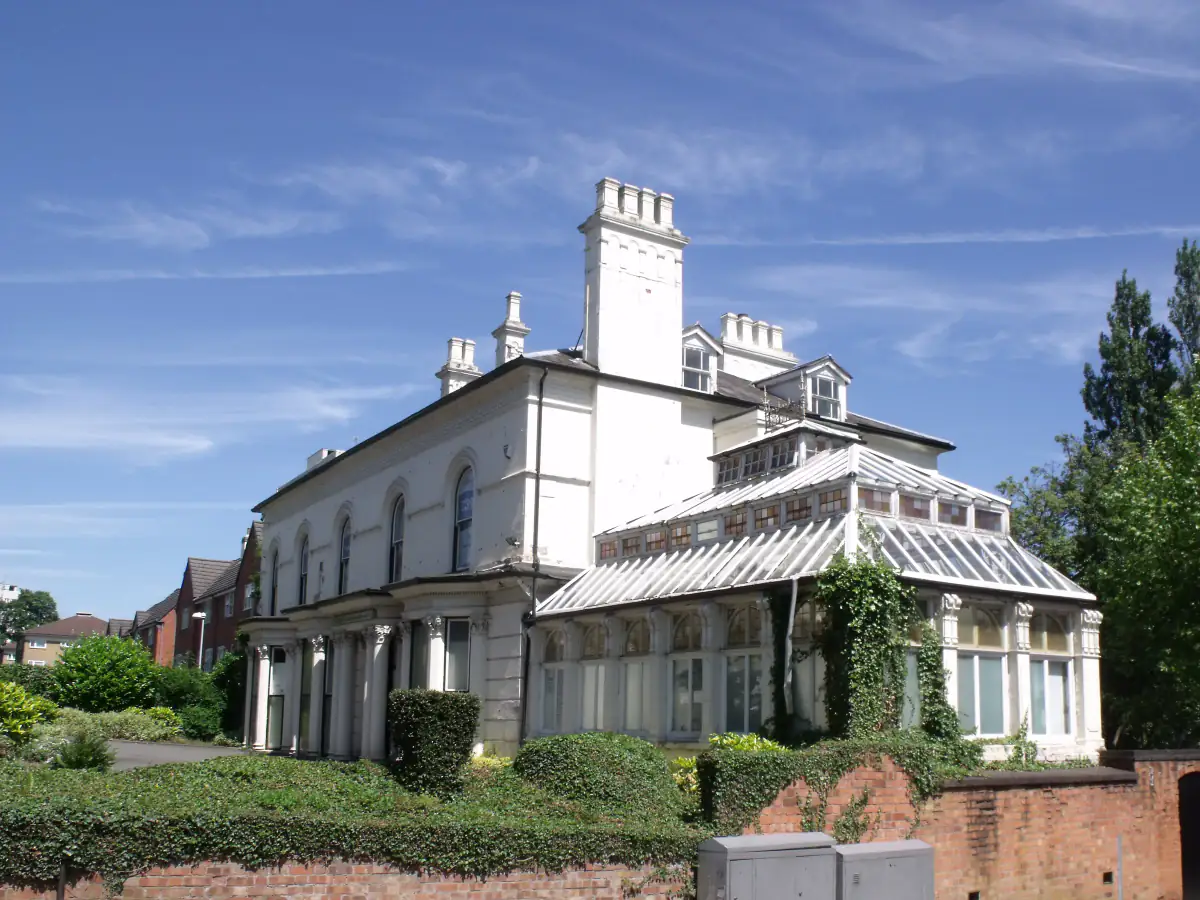
Blinds, film or tinted glass: which suits you?
The difference that matters is whether you can turn it off. Blinds are adjustable: open them on grey days and through the winter, close them when the sun is out. Film and tinted glass work all the time with nothing to remember, but they also cut light on dull winter afternoons, when you would want every bit of it.
So think about when you use the room. If it is mainly a summer room and the problem is bright afternoons, fixed tint or film does the job without fuss. If you want the room bright all year and only need shade some of the time, blinds, or a hybrid roof with glass only where you want it, will suit you better.
Which glass is best for a south-facing conservatory?
Solar control glass comes in grades and tints, and the right one depends on which way the room faces. Ultraframe advises low light transmission, high solar rejection glass for south or west-facing rooms, and high light transmission, low solar rejection glass for north or east-facing ones.
| Glass (Ultraframe figures) | Share of the sun’s heat let through (g-value) |
|---|---|
| Standard double glazed unit | 75% |
| Performance glass, standard range | 24% to 70%, depending on tint |
| Performance glass, top grade | 18% to 45% |
A lower g-value means less heat. The darker or more reflective tints that achieve it also let through less light, which is what cuts glare, but they make the room dimmer on dull days. If you are ordering glazed panels in a new roof, ExpertSure’s review figures put solar control glass at about £100 to £180 extra per panel. Our solar control glass guide explains the grades, and glass roof costs has prices.
Does a solid roof make a conservatory too dark?
It does cut daylight. Several MoneySavingExpert posters warned that rooms which borrow light through the conservatory can become noticeably darker after a solid roof goes on. Installers point out that light still comes through the conservatory’s windows and doors, and that roof windows, glazed panels or downlights can make up some of the loss. Our guide to conservatory roof lighting covers the options.
Before choosing an all-solid roof, stand in the rooms behind the conservatory on a dull day and check how much light they get through it. If the answer is most of it, a solar control glass or hybrid roof is the safer choice. If you are still deciding whether to shade the roof or replace it, see roof blinds or a new roof.
When you get quotes, ask each installer for the light transmission and g-value of the glass they propose, in writing, so you can compare them directly.
Questions people ask
Does solar control glass reduce glare?
Tinted and reflective solar control glass cuts the light coming through as well as the heat, which is what reduces glare. Which? recommends anti-glare, reflective or tinted glass for south-facing conservatories, and Ultraframe advises low light transmission glass for south or west-facing rooms. Ask for the light transmission and g-value of the glass in writing.
Will roof blinds stop my furniture fading?
Closed blinds cut the sunlight reaching your furniture, which slows fading, but they only work when they are closed. We found no independent test of how much different blinds reduce fading, so be wary of precise claims.
Does conservatory roof film stop glare?
It can reduce it. Which? suggests translucent or opaque film on glass roof panels to reduce heat from sunlight, and says reflective film reflects a portion of the sun's rays. A specialist fitting costs in the region of £1,000 for an average-sized conservatory roof, according to Which?.
Is blue tinted conservatory roof glass worth it?
Tinted glass is part of the solar control range. On Ultraframe's figures, its standard performance glass lets through 24% to 70% of the sun's heat depending on tint, and its top grade 18% to 45%. Darker tints cut more heat and glare but also more daylight, so choose by which way the conservatory faces.
Sources
- Which?: How to keep a conservatory cool (film, blinds, glass advice)
- Which?: The mistakes that will make your conservatory overheat in summer
- Ultraframe: Glass roof technical guide (g-values, glass choice by orientation)
- Ultraframe: Glass roofs
- MyJobQuote: Cost of installing blinds
- ExpertSure: LivinRoof review (glass upgrade prices)
- Guardian Warm Roof brochure (manufacturer claim)
- MoneySavingExpert forum: Solid conservatory roof opinions and experiences
- WholesalePOS: Polycarbonate roofing sheets guide (retailer)
Written by the Conservatory Roof Guide team
We research every figure from named sources: manufacturers' data, Met Office, HM Land Registry, LABC and published UK price guides. How we compare.
Reviewed by Zaib Khan
Founder of Conservatory Roof Guide. His team has handled 9,000+ conservatory roof quote requests from UK homeowners.