The short answer
- Makers claim big weight savings: Metrotile says up to 70% lighter than traditional roofing, Britmet up to 7 times lighter, and SupaLite says its ExtraLight Classic tile is under 8kg/m².
- The main types are stone-coated steel (Metrotile, Britmet), composite or synthetic slate (Tapco Slate, Guardian Slate) and recycled slate-effect tiles (Envirotile on Eurocell's Equinox).
- A whole tiled roof weighs more than its tiles: SupaLite states 46kg/m² for its roof and Ultraframe 31kg/m² for LivinRoof.
- The tiles come as part of a roof system, and a lightweight tiled roof still needs building regulations approval.
- Warranties vary widely: Metrotile 40 years weatherproof, Britmet 50 years, and 10 years as standard on SupaLite's Tapco Slate.
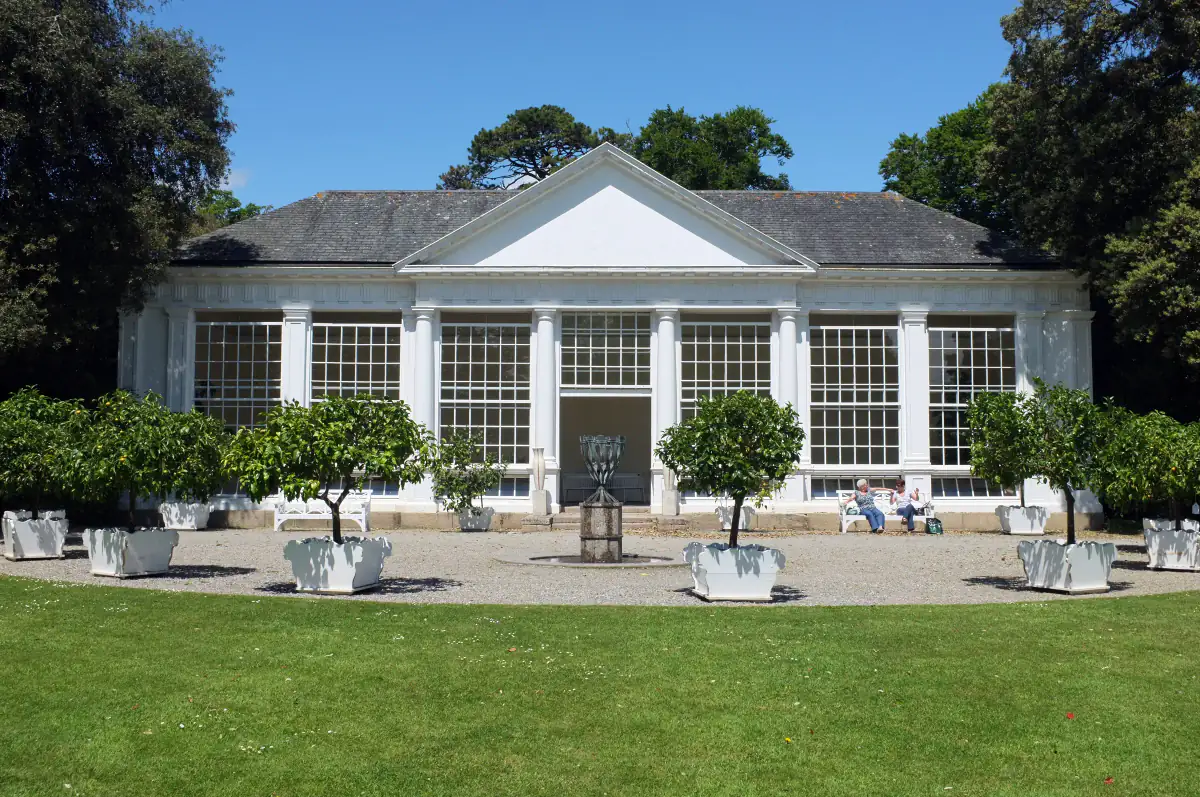
What are lightweight conservatory roof tiles?
They are tiles and slates made from lightweight materials such as stone-coated steel, composites or recycled plastic, rather than concrete or clay. They sit on an insulated solid roof system and give it the look of a house roof, at a weight a reinforced conservatory frame can carry.
The tiles are made by a separate set of companies from the roof systems. Metrotile, Britmet and Envirotile supply coverings, and the system makers build roofs around them. Ultraframe’s UltraRoof 380 certificate, for example, names BBA approved Metrotile as an alternative covering, and Eurocell added slate-effect Envirotile to its Equinox roof.
The roof underneath does most of the work. The tiles keep the weather out, while the insulation, membrane and plastered ceiling make the room warm. Our guide to warm roofs explains the whole build-up.
Types of lightweight roof tile
| Type | Examples | What the makers say |
|---|---|---|
| Stone-coated steel tiles | Metrotile | Originated in New Zealand. Up to 70% lighter than traditional roofing, with a 40-year weatherproof warranty. Claims BBA, ISO 9001 and 14001 and LABC. |
| Tile-effect and composite slate | Britmet | Made in Banbury. Up to 7 times lighter than traditional roofing, suitable down to a 5 degree pitch, with a 50-year guarantee. |
| Synthetic slate | Tapco Slate, offered on SupaLite roofs | Six colours, with a 10-year tile guarantee as standard |
| System tiles | SupaLite ExtraLight, Guardian Slate | SupaLite says its ExtraLight Classic tile weighs under 8kg/m² |
| Recycled slate-effect tiles | Envirotile, offered on Eurocell Equinox | Described as 75% recycled in coverage of the Equinox launch |
| Composite or concrete-effect tiles | Leka | Composite slate or lightweight concrete-effect tiles on Leka’s GRP roof |
Some retailers also offer sheet finishes instead of individual tiles. Anglian, for example, sells solid roofs with tile, replica tile or anthracite panels. On MoneySavingExpert one homeowner described a roof built from lightweight tile sheets on marine plywood.
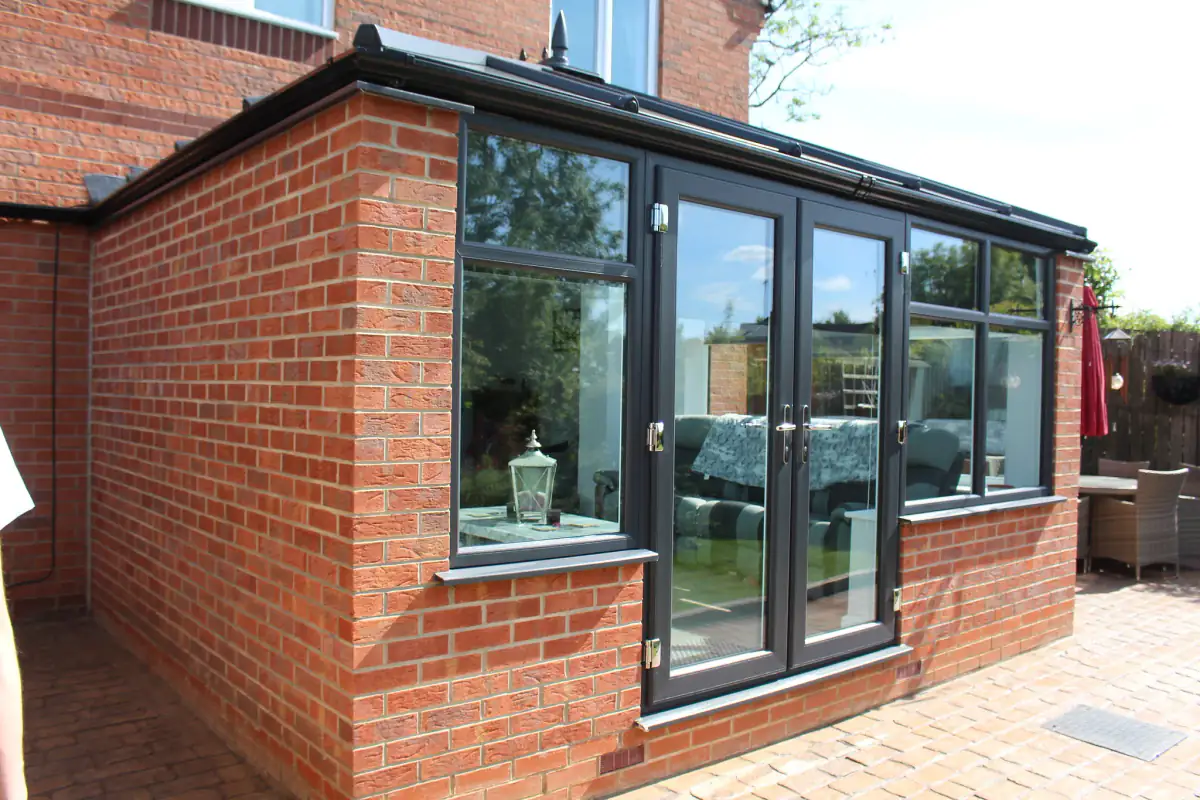
How much do lightweight roof tiles weigh?
It varies by product, and makers rarely quote like for like. SupaLite says its ExtraLight Classic tile weighs under 8kg per m², and ExpertSure quotes Equinox tiles at 18kg per m². The finished roof, including frame, insulation and ceiling, weighs more: 31kg/m² for LivinRoof and 46kg/m² for SupaLite, on the makers’ figures.
One SupaLite installer quotes about 40kg per m² for the same system, and Leka’s installer guide says its roof is a “similar weight, or lighter than a glass roof”. What matters to your conservatory is the extra load on the frames. LABC’s guidance puts a typical glazed roof at under 10kN/m on the frames and says a lightweight composite solid roof is only likely to add about 0.5kN/m, which it describes as less than 10% more.
Can you put ordinary roof tiles on a conservatory?
Generally not. LABC and SupaLite both caution that a traditional tiled roof can add more load than the structure was designed for, and LABC notes that frames built for polycarbonate may only have enough reinforcement for that lighter load. Lightweight systems exist precisely to keep the added weight small.
Even with lightweight tiles, building control checks the frames for steel reinforcement and may ask for a trial hole to check the foundations. If the survey finds the frames are too weak, LABC says new windows or structural posts may be needed. Read our guide on whether your conservatory can take a solid roof before choosing a finish.
Which tiles suit a low-pitch or lean-to roof?
Check the minimum pitch before you choose. Britmet says its products go down to 5 degrees, Ultraframe says LivinRoof suits pitches from 5 to 40.9 degrees, and Guardian’s roof windows need at least 15 degrees. Lean-to roofs are often shallow, which can rule out some tiles, and building control checks the pitch suits the covering.
If you have a lean-to conservatory, ask each installer to confirm in writing that the tile they quote is approved for your roof’s pitch, and what happens to the pitch if the roof is rebuilt.
Colours, finishes and matching the house
Colour and profile ranges differ from one system to the next, so ask to see real samples rather than brochure photos. Tapco Slate, for example, comes in six colours on SupaLite roofs. Tile fading is among the themes in low-star Trustpilot reviews of Guardian Building Systems, so ask what the tile guarantee says about colour.
Matching the house can matter for planning too. England’s permitted development rules exempt conservatory materials from having to match the house, but national guidance does not say whether that still applies once a conservatory has a solid tiled roof, so the safe choice is a tile that resembles the main roof. Scotland’s rules ask for a roof covering “as similar in appearance to the existing roof covering as is reasonably practicable”. Our planning permission guide has the detail.
How long do lightweight roof tiles last?
Warranties are long, but real-world records are short. Metrotile offers a 40-year weatherproof warranty and Britmet a 50-year guarantee, while SupaLite’s Tapco Slate carries 10 years as standard. Guardian and SupaLite date from 2006 and 2012, so real-world lifespans beyond about 20 years are unproven.
| Product | Warranty or guarantee | Who says so |
|---|---|---|
| Metrotile | 40-year weatherproof warranty | Metrotile |
| Britmet | 50-year guarantee | Britmet |
| Tapco Slate on SupaLite | 10-year tile guarantee as standard | SupaLite |
| Eurocell Equinox tiles | 25-year tile warranty | ExpertSure |
| Ultraframe LivinRoof tiles | 25-year tile warranty | ExpertSure (not confirmed on Ultraframe’s site) |
| Leka components | 40-year warranty, some supplied products excluded | Leka |
A SupaLite installer also rates the tile finish at 40 years or more. A long tile warranty is only as good as the company behind it, so check who issues it and what it covers.
Do lightweight tiled roofs need building regulations?
Yes, when they replace a glass or polycarbonate roof. LABC says a solid roof in place of a translucent one needs a building regulations application, and Leka says even an LABC tested and approved lightweight system needs building control involvement, approval and certification for your installation. Lightweight tiles do not change that.
The new roof also has to meet the insulation standard: 0.15 W/m²K in England, 0.13 in Wales and 0.12 in Scotland. Our building regulations guide explains what building control checks and why the completion certificate matters when you sell.
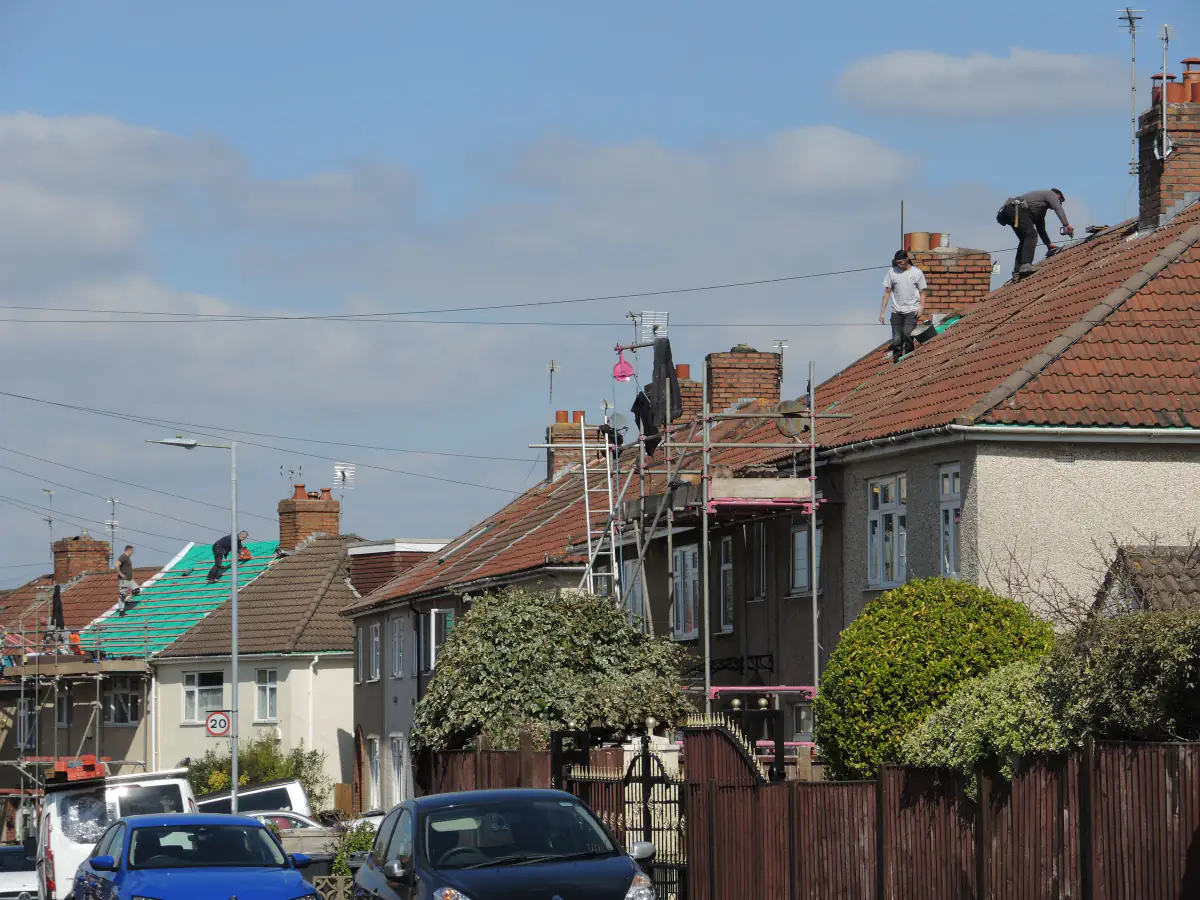
Can you buy lightweight roof tiles for DIY?
Materials are sold, but the branded roof systems they sit on are mainly sold through installers. Guardian roofs are fitted by certified installers and SupaLite by independent approved installers, made to measure. A DIY tiled roof still needs building control approval and structural checks, and VAT is charged at the standard rate on supply-only materials.
MyJobQuote puts materials alone for a tiled roof on a 4m x 4m conservatory at £2,000 to £7,000. Ultraframe warns that it is not safe to stand directly on a conservatory roof. Our guide to replacing a conservatory roof yourself covers what DIY involves.
What does a lightweight tiled roof cost?
On our researched prices, a lightweight tiled roof on a medium conservatory of about 4m x 3.5m costs £7,400 to £12,100 fitted, typically £9,600. The tile is one part of that price; the frame, insulation, ceiling and labour make up the rest. Ask each installer to price the same tile so quotes compare fairly.
Installers usually quote including VAT, but check. The tiled roof cost guide breaks prices down by size and style, and our page on tiled conservatory roofs compares the systems. When you get quotes, ask for the tile name, colour and guarantee to be written on each one.
Questions people ask
What are conservatory roof tiles made of?
Lightweight conservatory tiles are made from stone-coated steel (Metrotile, Britmet), synthetic or composite slate (Tapco Slate, Guardian Slate, Leka's composite slate) or recycled material (Envirotile, which Eurocell offers on Equinox). Their makers design them to look like clay tiles or natural slate at a fraction of the weight.
Are lightweight tiled roofs noisy in the rain?
Owners who replaced a polycarbonate roof with an insulated solid roof reported much less rain noise on MoneySavingExpert, and Which? rates polycarbonate as the noisier material. We found no independent decibel measurements for any conservatory roof, so treat this as owners' experience.
Do lightweight conservatory roof tiles fade?
Tile fading is one of the themes in low-star Trustpilot reviews of Guardian Building Systems, alongside other complaints. Ask your installer what the tile guarantee covers, whether colour change is included, and how long it lasts.
Can I choose any tile with any roof system?
Not usually. Each system offers its own range, although some approve more than one covering: Ultraframe's UltraRoof 380 certificate, for example, names BBA approved Metrotile as an alternative. Ask to see samples of the tiles your chosen system is approved for.
Can I put tiles over my existing conservatory roof?
It is not recommended. SupaLite and Leka both warn that a roof clad or wrapped over the existing one adds weight to a structure designed for a lighter roof and can overstress the walls, and PanelX says it can bring condensation and heat loss problems. It also does not avoid building regulations approval.
Sources
- Metrotile
- Britmet
- SupaLite: tiled roof
- Guardian Building Systems: FAQ
- Leka: the Leka system
- Ultraframe UltraRoof 380 LABC certificate
- Construction Update: new Eurocell Equinox solid roof
- ExpertSure: Equinox roof review
- ExpertSure: LivinRoof review
- Ultraframe: LivinRoof
- LABC guidance on solid roofs to conservatories (May 2018 addendum)
- Leka: do I need building regulations?
- SupaLite: the importance of building control
- Tiled Roof: conservatory roof FAQs
- MoneySavingExpert forum: replacement conservatory roof
- MyJobQuote: tiled conservatory roof costs
- Anglian Home Improvements: conservatory roofs
- Trustpilot: Guardian Building Systems
- PanelX: building regulations for conservatory roofs
Written by the Conservatory Roof Guide team
We research every figure from named sources: manufacturers' data, Met Office, HM Land Registry, LABC and published UK price guides. How we compare.
Reviewed by Zaib Khan
Founder of Conservatory Roof Guide. His team has handled 9,000+ conservatory roof quote requests from UK homeowners.