The short answer
- A hybrid roof costs about £6,600 to £12,600 for a medium conservatory; a plain tiled roof about £7,400 to £12,100, fitted. Installers usually quote including VAT, but check.
- The solid parts of both roofs reach 0.15 to 0.18 W/m²K. Glazed panels lose more heat, so we estimate a typical hybrid at about 0.25 to 0.4 across the whole roof.
- Glazed panels let in some sun: we estimate about 3% to 10% of the sun's heat across a hybrid roof, against none for a plain tiled roof.
- Both need building regulations approval. Both take roughly a working week on site: 3 to 6 days for tiled, 4 to 7 for hybrid.
- If you only need a little extra light, roof windows in a tiled roof may do the same job for less.
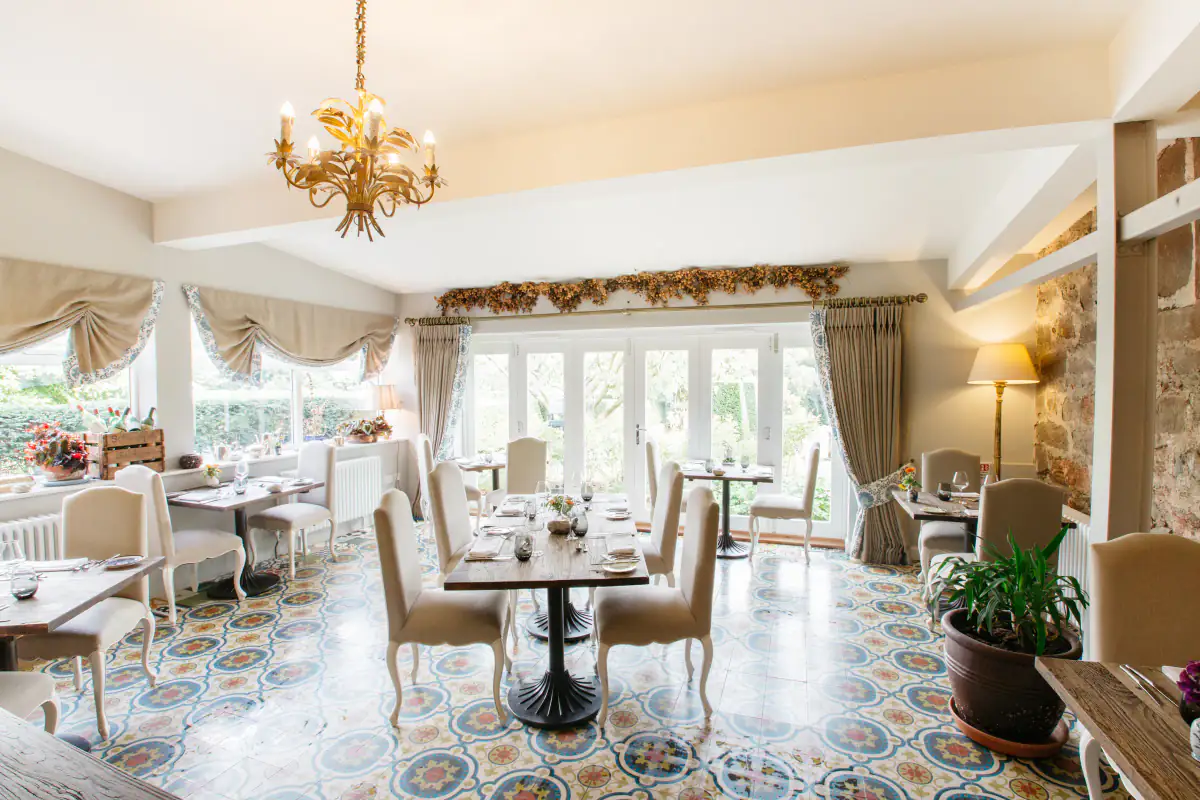
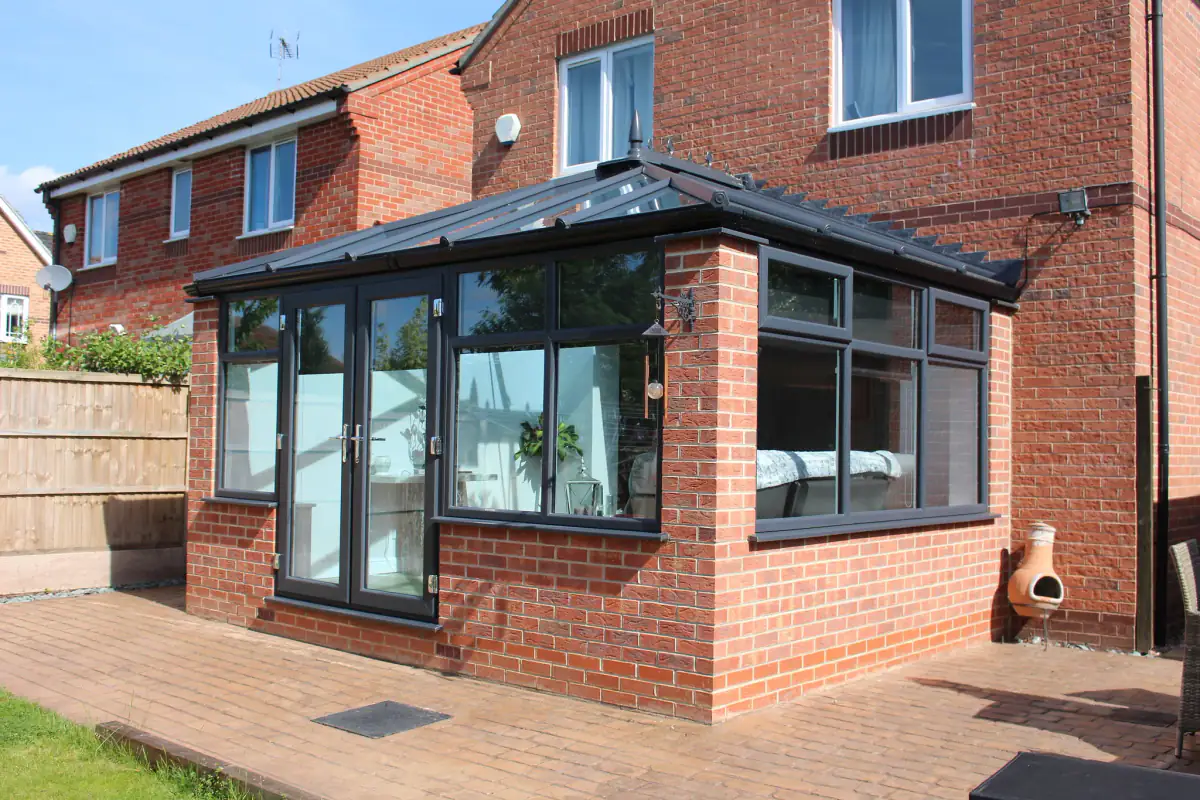
A hybrid roof is a tiled or solid insulated roof with glazed panels built in. It exists to answer the most common objection to a solid roof: that the room, and the room behind it, will go dark. So the real question is how much daylight matters to you, and what you are willing to give up for it in winter warmth and summer heat.
For most rooms the answer is simple. If the conservatory is a dining room or snug used mostly in the evening, a plain tiled roof with a few spotlights is enough. If it is a daytime room, or it sits in front of a kitchen that relies on its light, a hybrid is usually the better choice.
Tiled vs hybrid roof at a glance
| Tiled roof | Hybrid roof | |
|---|---|---|
| Price, medium conservatory (about 4m x 3.5m), fitted | £7,400 to £12,100 (typically about £9,600) | £6,600 to £12,600 (typically about £9,500) |
| Heat lost (U-value, W/m²K) | 0.15 to 0.18 (0.12 to 0.13 versions for Scotland and Wales) | 0.15 to 0.18 on the solid areas; about 0.25 to 0.4 across the whole roof (our estimate) |
| Sun’s heat let in through the roof | None, apart from any roof windows | About 3% to 10% (our estimate) |
| Time on site | 3 to 6 days | 4 to 7 days |
| Building regulations | Approval needed | Approval needed |
| Lifespan | 25 years plus | 25 years plus |
| Daylight through the roof | Low: side windows only, unless you add roof windows | Good, in pools under the glazed panels |
| Rain noise | Quietest | Quiet; glazed panels add a little |
Prices are our site-wide ranges for a medium conservatory (about 4m x 3.5m) across lean-to, Edwardian, Victorian and gable shapes, fitted; installers usually quote including VAT, but check. The whole-roof hybrid figures are our estimate for a roof that is about 85% solid and 15% glazed; makers publish figures for the solid sections only, and a roof with more glass will perform more like a glass roof.
What a hybrid roof actually is
Several systems do this in different ways. Ultraframe’s LivinRoof is built on its glass roof chassis with insulated panels, and glass can replace any of the solid panels in almost any shape; Ultraframe says there is no extra cost for doing so. Inside you get a plastered vaulted ceiling. Outside, the solid panels are grey rather than tiled. SupaLite’s SkyVista puts one or two solar control, self-cleaning glass panels into its tiled roof. Prefix’s WARMroof Hybrid uses 28mm double glazing as standard, with 44mm triple glazing as an option. Guardian offers its Solstice glazed rooflight and VELUX roof windows in its tiled roof, which sits between a plain tiled roof and a true hybrid.
Which is warmer in winter?
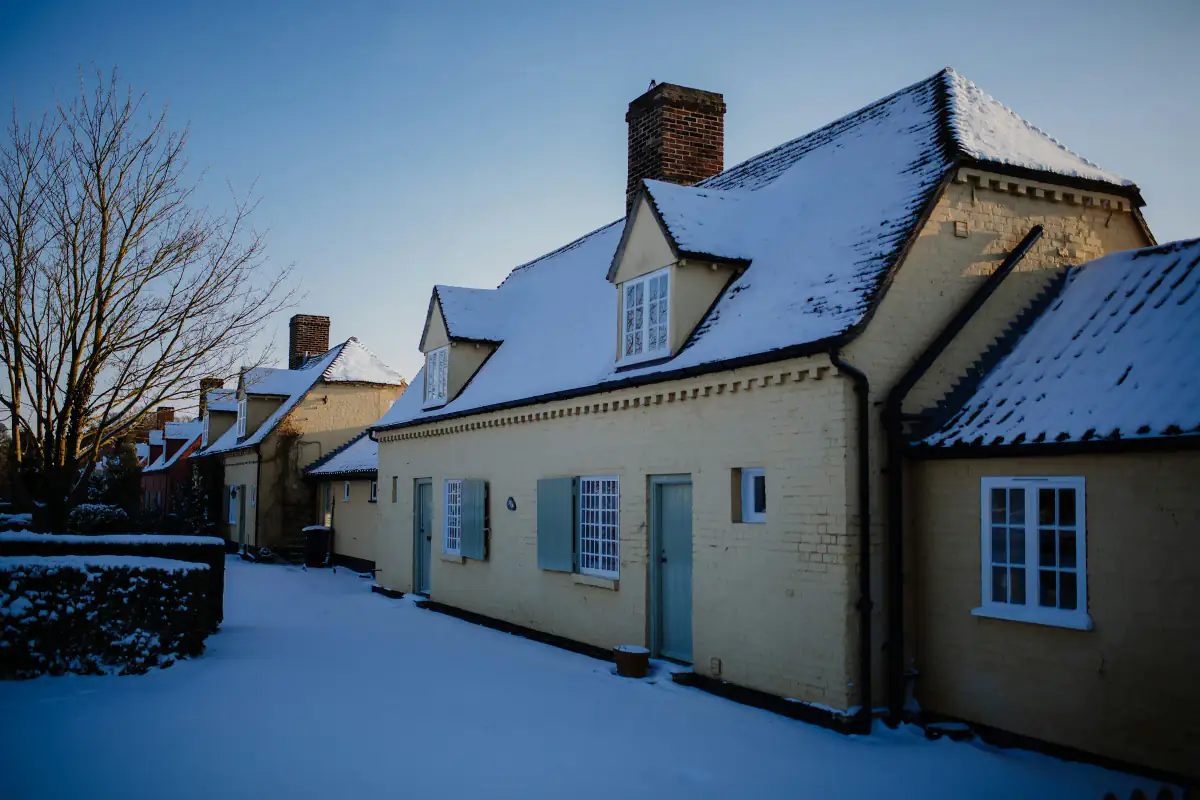
The plain tiled roof, but the gap is smaller than the glazed panels might suggest. The solid areas of both reach 0.15 to 0.18 W/m²K. Glass loses much more heat: performance glass is rated at 1.0 to 1.2. How much that matters depends on how much of the roof is glazed. With about 15% glass, we estimate the whole roof at around 0.25 to 0.4, still many times better than any glass or polycarbonate roof. ExpertSure makes the same point about LivinRoof: every glass panel you add reduces the insulation advantage.
In either case the walls, windows and floor still lose heat, so neither roof will make an old conservatory as warm as the house on its own.
Which stays cooler in summer?
The plain tiled roof, which lets no sun through at all. Glazed panels let some in, so pick them with care. SupaLite says its SkyVista glass reflects up to 60% of the sun’s heat and lets through up to 47% of the light. Our estimate for a typical hybrid is about 3% to 10% of the sun’s heat across the whole roof, against 18% to 70% for a full glass roof.
How much light does a hybrid give back?
This is the whole point of a hybrid. Homeowners on MoneySavingExpert who fitted fully solid roofs warned that rooms behind the conservatory became noticeably darker. Glazed panels put daylight where you choose, for example over the doors into the kitchen, and give some view of the sky. A plain tiled roof relies on the side windows unless you add roof windows. In England a roof window must reach 1.4 W/m²K (or Window Energy Rating Band B) and a rooflight 2.2, so each one costs a little insulation too. Our guide to light in a solid roof compares the options.

Which is quieter in the rain?
The plain tiled roof is the quietest roof you can buy. Glazed panels in a hybrid add some rain noise directly above them, but the rest of the roof is as quiet as a tiled one. No independent noise measurements were found for either.
Cost and value for money
On our figures the two cost about the same for a medium conservatory: typically about £9,500 for a hybrid and £9,600 for a plain tiled roof. Our hybrid range is based on a single generic price guide, and branded systems run higher: ExpertSure puts a fitted LivinRoof at roughly £9,500 to £15,500 and a Guardian tiled roof at roughly £7,500 to £14,500, depending on size and shape. A hybrid also takes a day or so longer to fit. See hybrid roof costs and tiled roof costs.
If you only want a little daylight, one or two roof windows in a tiled roof may be enough: published prices for a roof window or glazed panel in a solid roof run from about £450 to £2,000 each. A hybrid system makes more sense when you want larger glazed areas, or the look of glass panels integrated into the ceiling rather than windows set into it. Guarantees vary by system: Ultraframe gives a 10-year parts guarantee on LivinRoof, and ExpertSure notes it is not insurance-backed, so compare what each installer adds.
Building regulations and paperwork
Both roofs need a building regulations application. LABC says replacing a translucent roof with a solid one needs approval, and a hybrid is mostly solid. In England there is no fixed percentage; the test is whether a “significant proportion” of the roof is still glazed, and a roof that is mostly solid is very likely to fail it. Scotland and Northern Ireland use fixed figures (at least 75% of the roof translucent), so a hybrid roof is clearly outside the conservatory definition there.
The glazed panels themselves have to meet the rules. The LivinRoof certificate says that if the conservatory is opened up to the house, the glazing in the roof must stay under 25% of the floor area with a U-value of 1.6. Building control will check the frames, foundations and insulation for either roof, and you should get a completion certificate at the end. Keep it with the roof specification. See our building regulations guide.
Looks and resale
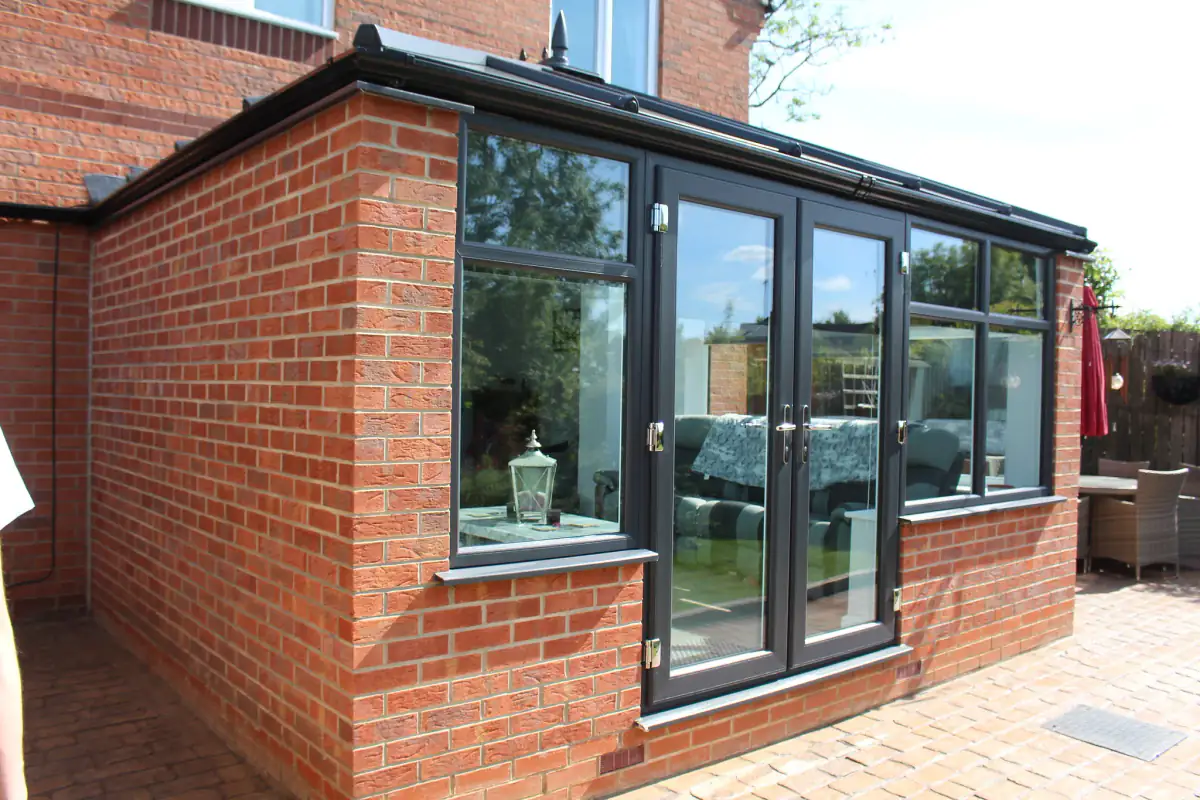
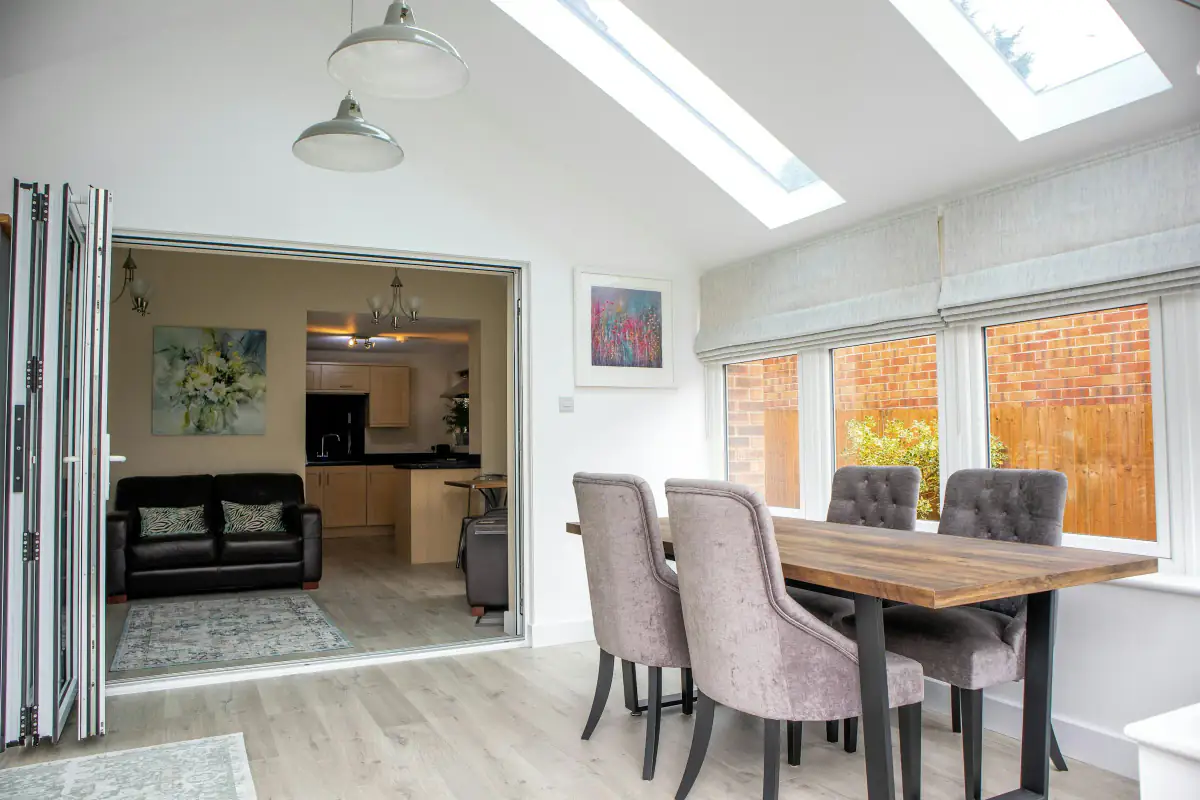
A tiled roof looks like a small extension from outside, with tiles or slate-effect finish that can be chosen to suit the house. A hybrid looks more modern: glass panels set into a solid roof, and in LivinRoof’s case grey external panels rather than tiles, which may or may not suit your house. Inside, the glazed panels set into a plastered ceiling are the main selling point.
No independent data shows what either adds to a sale price. For both, buyers’ solicitors will ask for the building control completion certificate.
Tiled or hybrid: which should you choose?
- The conservatory is mainly used in the evening, or as a dining room or office: plain tiled, perhaps with spotlights.
- A kitchen or living room behind it relies on light through the conservatory: hybrid, with glazing over the connecting doors.
- It faces south and overheats: plain tiled, or a hybrid with a small area of solar control glass.
- You only want a little extra daylight: a tiled roof with one or two roof windows.
- You like a modern look and do not need tiles to match the house: a panel-based hybrid such as LivinRoof.
When you get quotes, ask each installer how much of the roof is glazed, the U-value and solar figure of the glass, and the whole-roof U-value, and compare like with like. Our guide to comparing quotes lists what else to check.
Heat lost and sun let in, side by side
Questions people ask
What is a hybrid conservatory roof?
It is a solid insulated roof with glazed sections built in, so you keep some daylight while insulation improves. Ultraframe's LivinRoof, for example, has a plastered vaulted ceiling inside and lets glass replace any of its solid panels, and SupaLite's SkyVista adds one or two glass panels to its tiled roof.
Is LivinRoof a tiled roof?
Not in the usual sense. Ultraframe describes LivinRoof as insulated panels on its glass roof chassis, with grey external panels rather than tiles, and glass panels in any position you choose. Some review sites describe it as tiled, so check the external finish on any quote.
Do the glass panels in a hybrid roof make the room hot?
They add some solar gain, but far less than a full glass roof. SupaLite says its SkyVista panels reflect up to 60% of the sun's heat, and our estimate for a typical hybrid is about 3% to 10% of the sun's heat across the whole roof, against 18% to 70% for a glass roof.
Does a hybrid roof need building regulations approval?
Yes, in practice. In England a conservatory is only exempt while a significant proportion of its roof is glazed, and a mostly solid roof is very likely to fail that test. Scotland and Northern Ireland use fixed percentages (75% of the roof translucent), so a hybrid roof clearly takes the building outside the conservatory definition there.
Can I have roof windows in a tiled roof instead?
Yes. Guardian lists VELUX roof windows and its own Solstice rooflight, and SupaLite installers offer Velux windows. In England a new roof window must reach a U-value of 1.4 (or Window Energy Rating Band B) and a rooflight 2.2.
Sources
- Ultraframe: LivinRoof
- LABC certificate for Ultraframe LivinRoof
- ExpertSure: LivinRoof review
- SupaLite tiled roof product page
- Guardian Building Systems FAQ
- Prefix Systems: WARMroof
- LABC guidance on solid roofs to conservatories (2018 addendum)
- Approved Document L, Volume 1 (2021 edition incorporating 2023 amendments)
- Building Regulations (Northern Ireland) 2012, regulation 2
- MoneySavingExpert forum: Solid conservatory roof opinions and experiences
- ExpertSure: Guardian Warm Roof review
- MyJobQuote: Conservatory roof replacement cost (2026 guide)
- ExpertSure: Conservatory roof replacement cost UK 2026
Written by the Conservatory Roof Guide team
We research every figure from named sources: manufacturers' data, Met Office, HM Land Registry, LABC and published UK price guides. How we compare.
Reviewed by Zaib Khan
Founder of Conservatory Roof Guide. His team has handled 9,000+ conservatory roof quote requests from UK homeowners.