The short answer
- A tiled roof costs about £7,400 to £12,100 for a medium conservatory. An orangery conversion costs about £14,000 to £35,000, based on builders' extension rates before VAT.
- Both insulate the solid parts of the roof to 0.15 to 0.18 W/m²K. The orangery's lantern lets in daylight and some sun: we estimate 5% to 15% of the sun's heat across the roof.
- A tiled roof takes 3 to 6 days on site; an orangery conversion 7 to 15 days, longer if walls are rebuilt.
- Both need building regulations approval. A flat roof and lantern must also stay within permitted development height limits.
- Which? says orangeries can add more value than conservatories, but no source puts a figure on it. See orangery conversions.
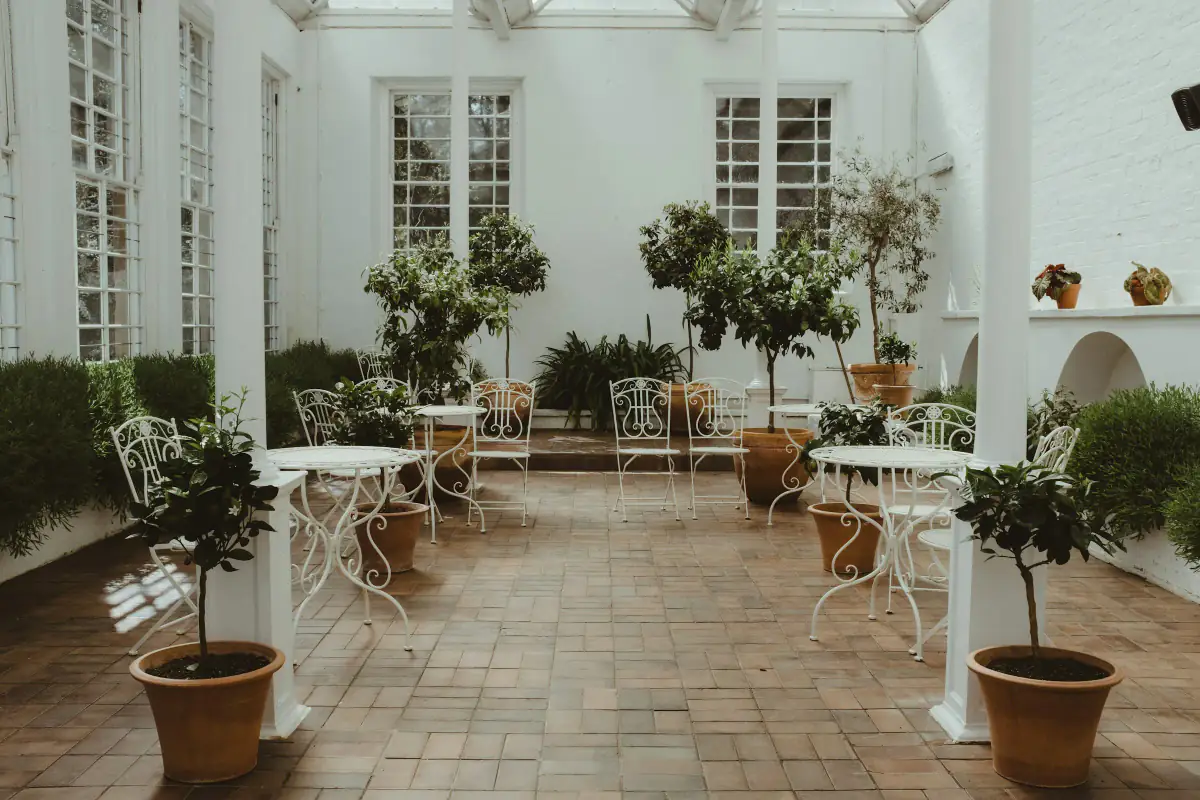
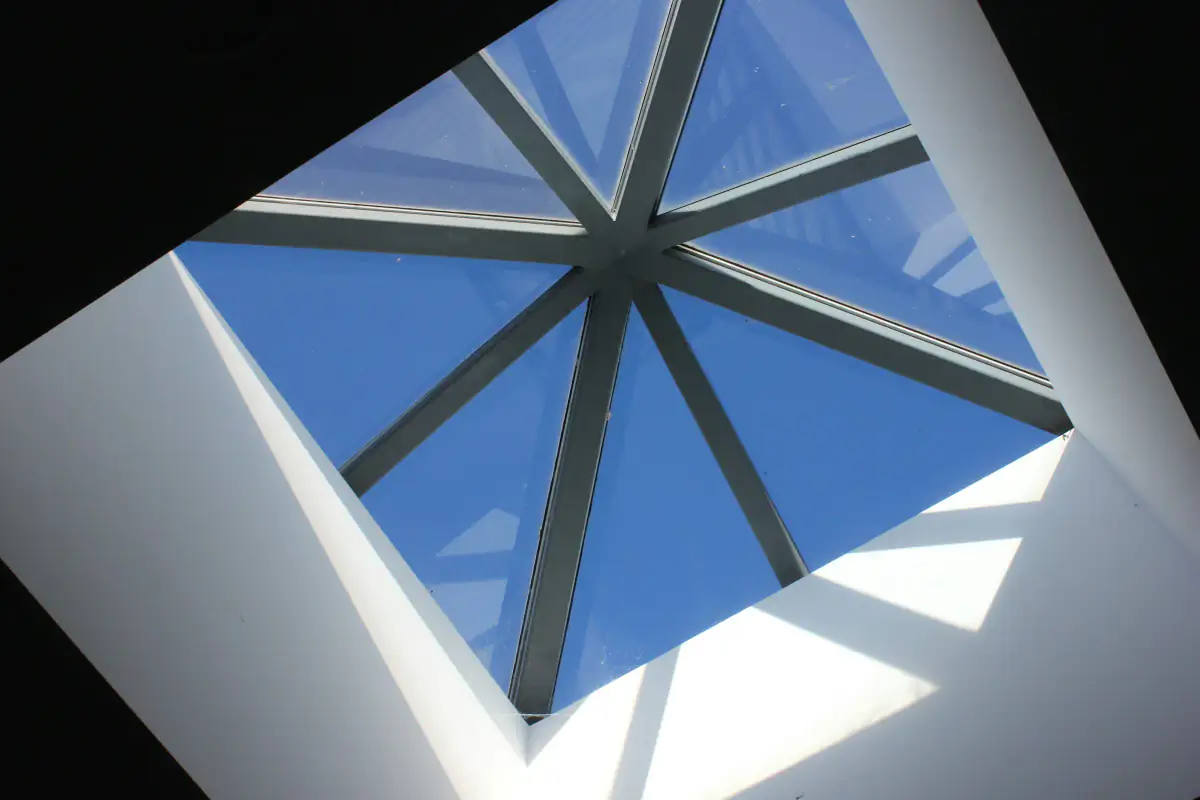
Both of these turn a glass or polycarbonate conservatory into a solid, insulated room. The tiled roof does it by replacing the roof and nothing else. An orangery conversion goes further: the pitched glazed roof is replaced with a flat, insulated roof around the edges and a glass lantern in the middle, and often the walls change too, with insulated columns or brick piers in place of some of the windows.
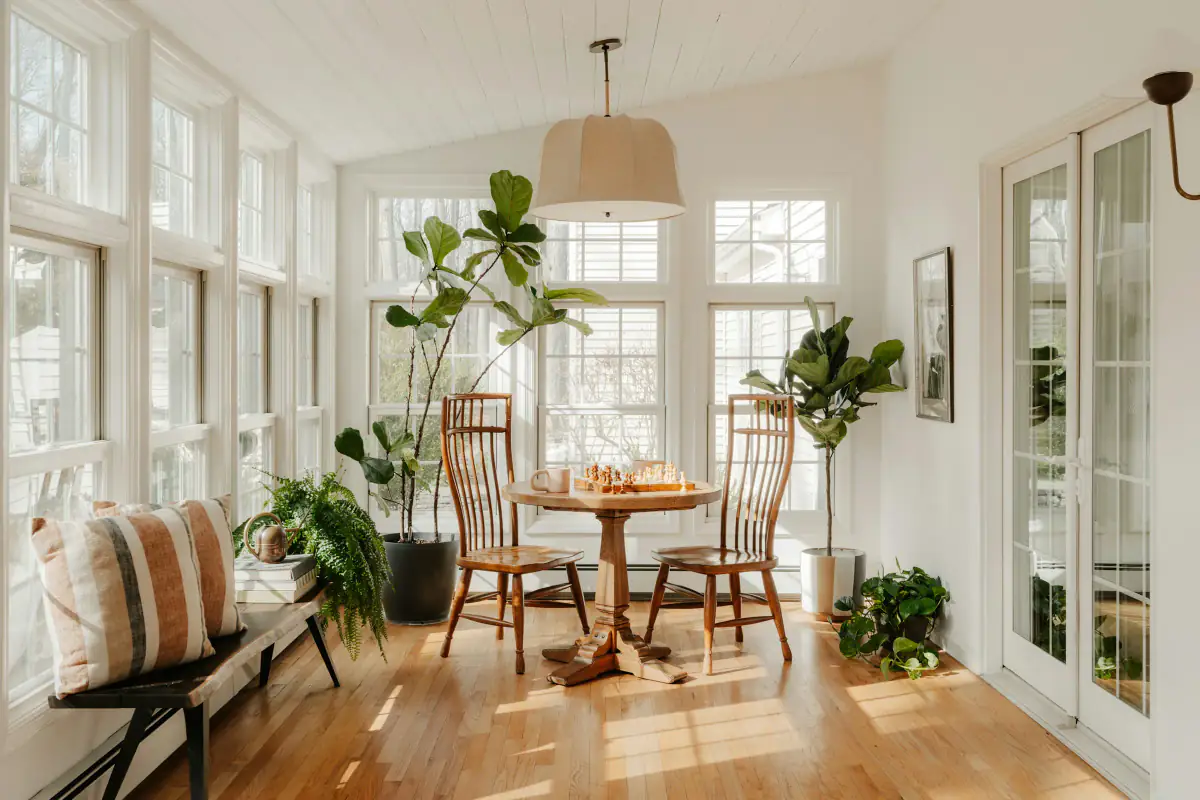
The result feels more like a proper extension, with a flat plastered ceiling and daylight pouring down from the centre. It also costs a lot more and takes longer. For a sound conservatory where the main complaint is temperature and noise, a tiled roof usually gives most of the benefit for much less money.
Tiled roof vs orangery conversion at a glance
| Tiled roof | Orangery conversion | |
|---|---|---|
| Price, medium conservatory (about 4m x 3.5m), fitted | £7,400 to £12,100 (typically about £9,600) | £14,000 to £35,000 (typically about £24,500), before VAT |
| Heat lost (U-value, W/m²K) | 0.15 to 0.18 (0.12 to 0.13 versions for Scotland and Wales) | 0.15 to 0.18 on the solid ceiling; about 0.3 to 0.5 across the whole roof with the lantern (our estimate) |
| Sun’s heat let in through the roof | None, apart from any roof windows | About 5% to 15% (our estimate) |
| Time on site | 3 to 6 days | 7 to 15 days |
| Building regulations | Approval needed | Approval needed |
| Lifespan | 25 years plus | 25 years plus |
| Daylight through the roof | Low: side windows only, unless you add roof windows | Good in the centre, under the lantern |
| Rain noise | Quietest | Quiet |
Tiled prices are our site-wide ranges for a medium conservatory across lean-to, Edwardian, Victorian and gable shapes; installers usually quote including VAT, but check. The orangery range applies the Federation of Master Builders’ rate for a single-storey extension replacing a conservatory (£1,000 to £2,500 per m², excluding VAT) to the same floor area, so add VAT for a full budget. The orangery performance figures are our estimates for a solid perimeter with a glazed lantern.
What an orangery conversion involves
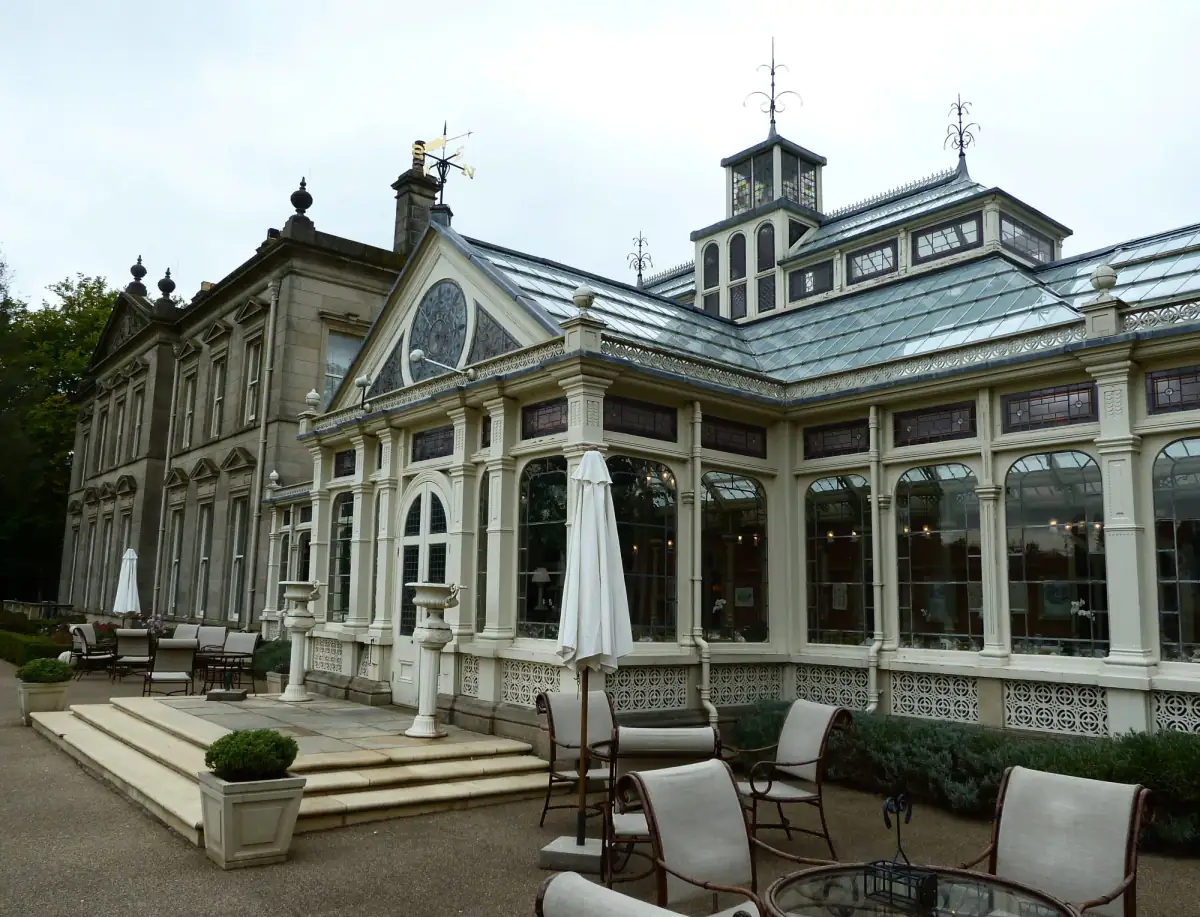
Which? describes an orangery as mainly a brick structure, usually with a flat roof and a central lantern, and the Glass and Glazing Federation says orangeries have more in common with a traditional extension than a conservatory. A conversion borrows that look. The main roof makers all sell ways to do it: Guardian, SupaLite and Leka offer insulated flat roofs designed to take a glass lantern, and Ultraframe offers a lantern-style glazed roof with an insulated internal pelmet that gives a flat plastered ceiling round the edge. Ultraframe also sells super-insulated columns that can replace brick piers between windows.
That range of approaches is why prices vary so much. A roof-only conversion that keeps the existing frames sits at the lower end. A job that also replaces window sections with columns or rebuilds walls moves towards extension prices. Guardian says existing structures are assessed and may need extra support.

Which is warmer in winter?
Very little between them through the roof itself. The solid parts of both are built to around 0.15 to 0.18 W/m²K, the standard a new roof must meet in England. The orangery’s lantern is glazed, so it loses more heat than the solid ceiling around it; we estimate the whole roof at about 0.3 to 0.5, still many times better than a glass or polycarbonate roof.
Where an orangery can pull ahead is the walls. If the conversion replaces some of the glazing with insulated columns or brickwork, less heat escapes through the sides. A tiled roof leaves the existing windows and dwarf walls as they are, and homeowners who fitted solid roofs on MoneySavingExpert found those still lose heat. Our page on a cold conservatory covers what else helps.
Which stays cooler in summer?
The tiled roof, just. It lets no sun in through the roof. The lantern lets in some, which we estimate at around 5% to 15% of the sun’s heat across the whole roof, far less than a glass roof. Some lantern makers offer solar control glass, which is worth asking for on a sunny side. Both are a big step up from a glazed roof in a south-facing garden.
Which gives more light?
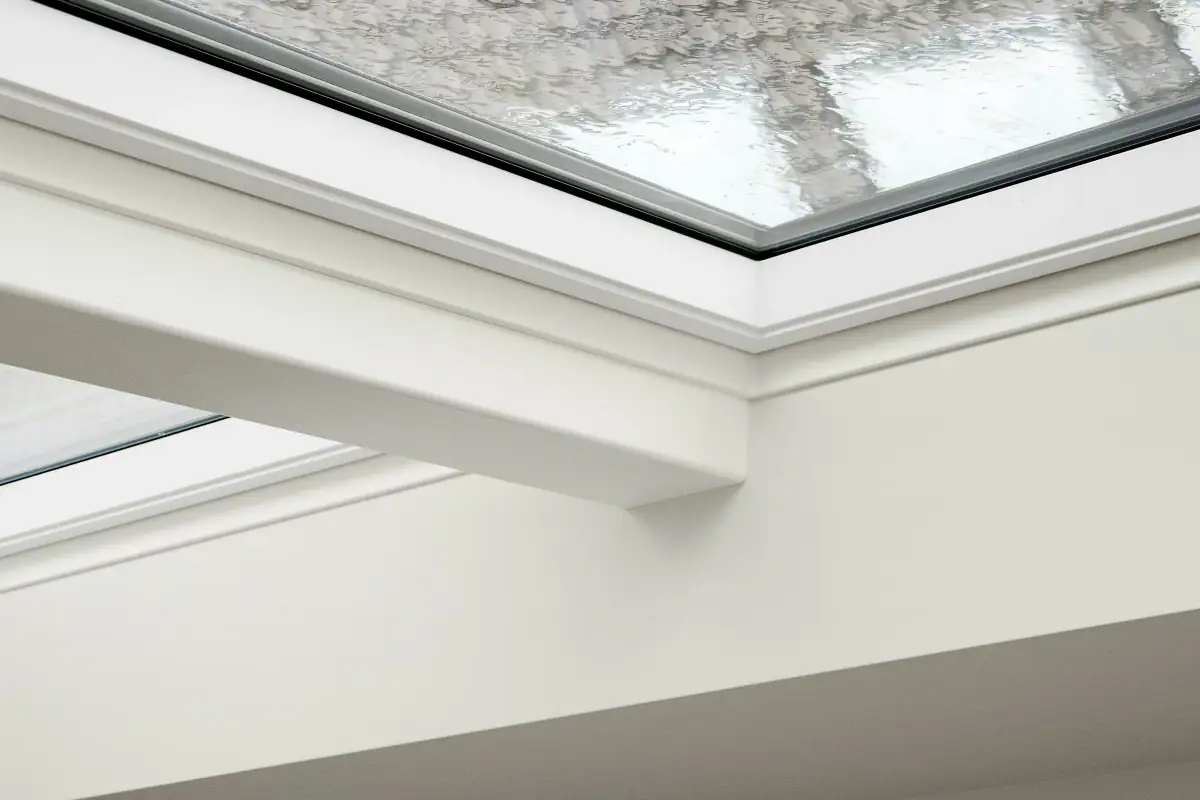
The orangery. The lantern brings daylight into the middle of the room, which is exactly where a tiled roof leaves it dim. With a tiled roof, light comes through the side windows and any roof windows you add, and homeowners on MoneySavingExpert warned that rooms behind a solid-roofed conservatory can become darker. If you like the idea of light from above but not the cost of an orangery, a hybrid roof with glazed panels sits between the two.
Which is quieter in the rain?
Both are quiet. A tiled roof is the quietest roof you can buy, and an orangery’s solid perimeter is similar. The lantern adds a little rain noise in the centre. No independent decibel measurements were found for either.
Cost and value for money
This is the biggest difference. On our figures a tiled roof typically costs about £9,600 for a medium conservatory. Our orangery range, £14,000 to £35,000, comes from the FMB’s rate for a single-storey extension replacing a conservatory, before VAT, and the typical midpoint is about £24,500. Other published figures give a feel for the spread: one 2026 price guide puts an orangery-style solid roof with a parapet at £11,000 to £18,000 (size not stated), and MyJobQuote puts the average new orangery at around £22,000. A roof lantern on its own costs about £800 to £3,000 installed.
The extra money buys a different room rather than a better roof. If your frames and base are sound and you are happy with the conservatory’s shape, most of the comfort gain comes from making the roof solid and insulated, which a tiled roof does. If the walls, windows or base need replacing anyway, the orangery’s extra cost goes further. See orangery conversion costs and tiled roof costs.
Building regulations and paperwork
Both need a building regulations application. LABC says replacing a translucent roof with a solid one needs approval, and Guardian says approval is usually required for its flat roof systems too. Building control checks that the frames and foundations can carry the roof, and for an orangery also any new walls, columns or piers. Keep the completion certificate.
Planning permission is usually not needed in England for either if the building stays within permitted development limits. A flat roof with a lantern can change the height and profile of the conservatory, so check the limits: no higher than 4 metres overall, and eaves no higher than 3 metres within 2 metres of a boundary. Listed buildings, flats and areas with an Article 4 direction are different. Our planning permission guide explains when to ask for a Lawful Development Certificate.
One more rule applies to both. If you take out the doors between the house and the new room to make it open plan, Approved Document L says it should be treated as an extension, which brings tighter energy rules and usually an energy calculation.
Looks and resale
An orangery conversion changes the look of the building from outside: a flat roof line, a lantern and often brick or rendered columns. It reads as an extension. A tiled roof keeps the conservatory’s shape and glazed walls, with tiles above that can be chosen to suit the house.
Which? says orangeries can add more value than conservatories and describes them as generally costing more than a conservatory but less than an extension. No source we found puts a figure on the difference, so do not assume the extra spend comes back when you sell. Either way, a buyer’s solicitor will ask for the building control completion certificate.
Tiled roof or orangery conversion: which should you choose?
- The frames and base are sound and you want a warm, quiet room on a sensible budget: tiled roof.
- You want a flat ceiling, a lantern and an extension feel, and can budget £14,000 or more before VAT: orangery conversion.
- Some frames are failing or the dwarf walls need rebuilding anyway: get prices for an orangery conversion alongside a tiled roof with new frames.
- You want light from above without orangery prices: a hybrid roof, or a tiled roof with roof windows.
- The conservatory is close to a boundary or already tall: check permitted development height limits before choosing a flat roof and lantern.
When you get quotes, ask each installer to separate the roof, the lantern and any wall or structural work, and to say who will handle building control. Our guide to converting a conservatory covers the wider options.
Heat lost and sun let in, side by side
Questions people ask
Can I convert my conservatory into an orangery?
In effect, yes, by replacing the pitched roof with an insulated flat roof and a glazed lantern. Guardian, SupaLite and Ultraframe all sell flat roof and lantern systems for this, and Guardian says the existing structure is assessed first and may need extra support. Building regulations approval is usually required.
What is the difference between a conservatory and an orangery?
Which? describes an orangery as mainly a brick structure, usually with a flat roof and a central glazed lantern, whereas a conservatory is mostly glass. The Glass and Glazing Federation says orangeries have proportionally more brickwork and more in common with a traditional extension, although modern designs blur the line.
Do I need planning permission to convert a conservatory into an orangery?
Often not in England, if the building stays within permitted development limits: no higher than 4 metres, and eaves no higher than 3 metres within 2 metres of a boundary. Listed buildings, flats and areas where permitted development rights have been removed are different, and a Lawful Development Certificate gives certainty.
How much does a roof lantern cost?
Published installed prices run from about £800 to £3,000. MyJobQuote gives an average of about £2,250, with small uPVC lanterns at the lower end and timber ones at the top.
Can I keep my conservatory walls in an orangery conversion?
Sometimes. Some systems replace only the roof and add an insulated internal pelmet round the edge, while others swap window sections for insulated columns or brick piers. Which approach works depends on whether the existing frames and base can carry the new roof.
Sources
- Which?: Choosing an orangery
- Glass and Glazing Federation: Conservatory or orangery
- Guardian Building Systems FAQ
- SupaLite frequently asked questions
- Ultraframe: Do I need planning permission for a conservatory roof?
- Ultraframe: Insulated pelmet
- Federation of Master Builders: Conservatory costs
- MyJobQuote: Roof lantern cost
- MyJobQuote: Conservatory cost
- Taskino: Conservatory roof replacement cost UK 2026
- GPDO 2015, Schedule 2, Part 1, Class A
- LABC Front Door: Replacing a conservatory roof
- Approved Document L, Volume 1 (2021 edition incorporating 2023 amendments)
- MyJobQuote: Conservatory roof replacement cost (2026 guide)
- ExpertSure: Conservatory roof replacement cost UK 2026
Written by the Conservatory Roof Guide team
We research every figure from named sources: manufacturers' data, Met Office, HM Land Registry, LABC and published UK price guides. How we compare.
Reviewed by Zaib Khan
Founder of Conservatory Roof Guide. His team has handled 9,000+ conservatory roof quote requests from UK homeowners.