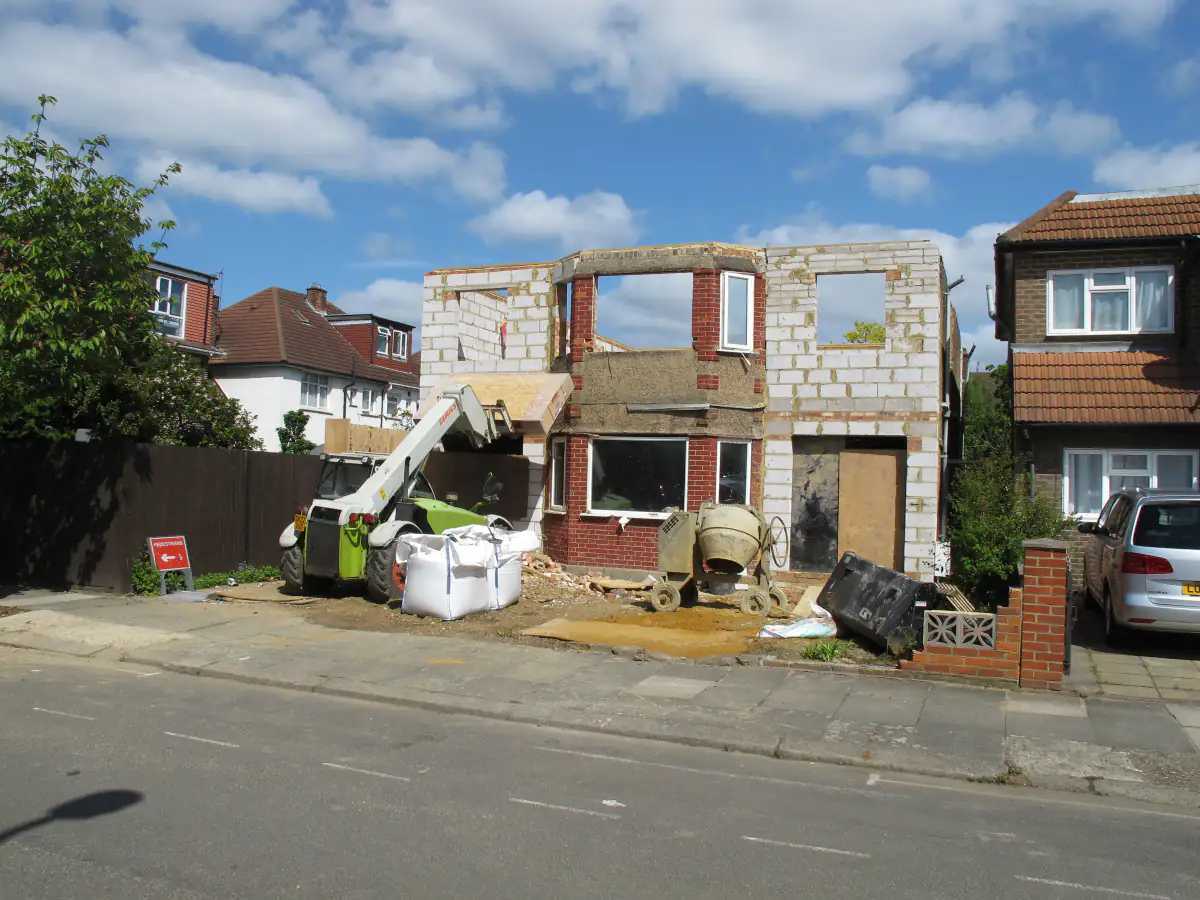
The short answer
- Nothing in the building regulations or the makers' installation guides stops winter work. The room is open to the weather for days, not weeks.
- Plaster on a new solid-roof ceiling must be kept above 5°C until it is dry, so a cold spell means heaters on site.
- Your roof should be designed for the snow and wind loads at your postcode, and tie bars must be fitted where they are specified.
- No rule change forces a rush: England's new Approved Document L, in force from 24 March 2027, keeps the 0.15 W/m²K roof limit.
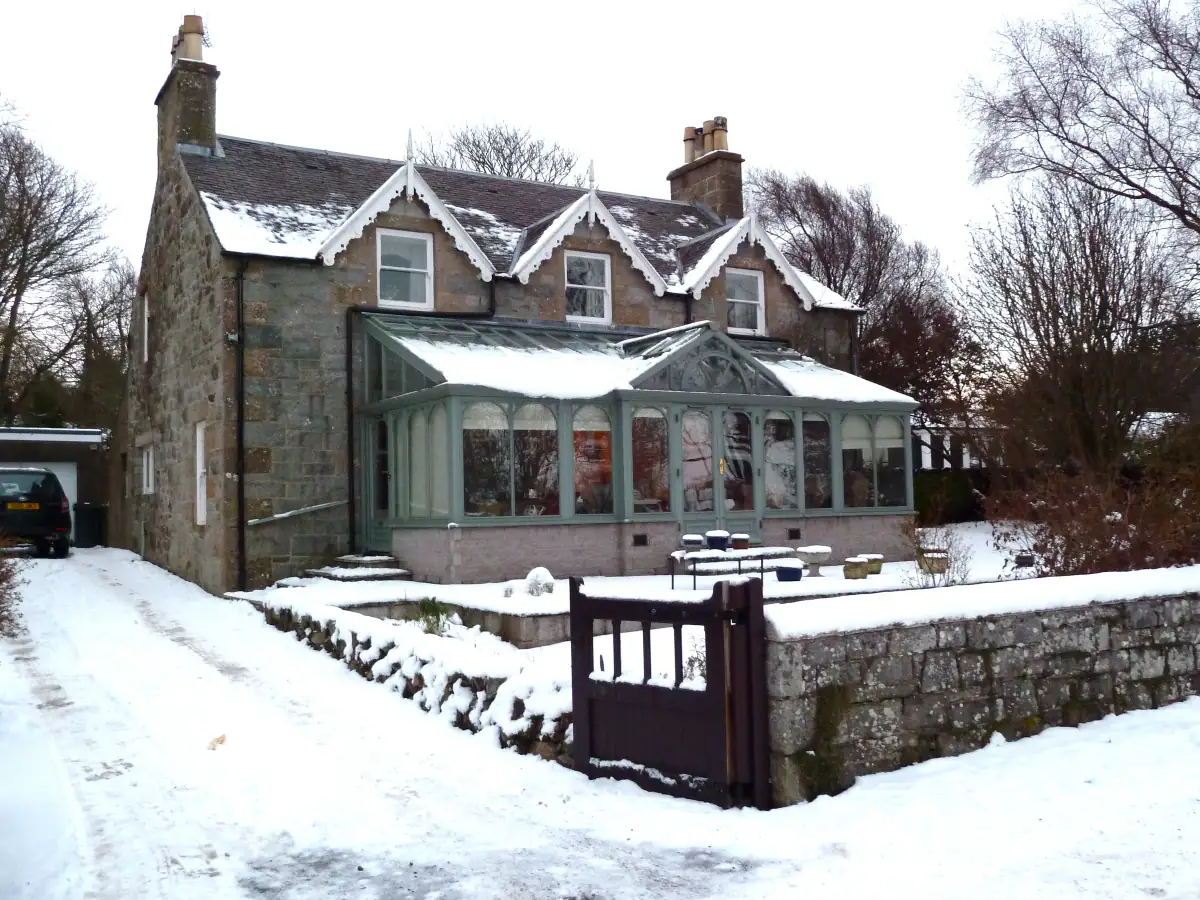
Yes, a conservatory roof can be replaced in winter, and plenty are. Nothing in the building regulations or the roof makers’ installation guides stops work in the cold months. What changes is the detail: how long the room is open to the weather, how the new ceiling plaster dries, and whether the roof is designed for snow. This guide covers each one, and ends with the questions to ask before you book a winter start.
Is winter a good time to replace a conservatory roof?
It can be. Many households barely use the conservatory in winter anyway: in a survey by BRE for the then energy department, 59% used it less than once a week in winter. The job itself takes days rather than weeks, the roof is weathertight early on, and the finished room is ready for spring.
The trade-off is exposure. While the old roof is off and the new one goes on, the conservatory is open to the weather. Several systems also take the glass out of the tops of the side frames so the new ring beam can be fixed through them. The rest of your home stays usable: installers say the house is unaffected, and one says its team seals the doors to the conservatory at the end of each day. Our guide to what happens on installation day walks through the full sequence.
How long is the conservatory open to the weather?
Usually a few days at most. One installer says a tiled roof is typically weathertight within 2 to 3 days, a review site reports Ultraframe’s UltraRoof can be watertight within 6 hours, and Eurocell’s Equinox is reported weathertight by the end of day two. Internal plastering and finishing follow once the roof is on.
Leka says its new roof is usually delivered on the same day the old roof starts to come off, which keeps the gap short. The total time on site depends on the roof type and the size of the conservatory:
| Roof | Stated time on site | Who says so |
|---|---|---|
| Guardian Warm Roof | 3 to 5 days typically (2 to 3 days also stated) | Guardian |
| SupaLite tiled roof | 3 to 5 days, including a day for plastering | A SupaLite installer |
| Leka | 2 to 3 days, including removing the old roof | Leka |
| Eurocell Equinox | 3 to 5 days on an Edwardian, 5 to 7 on a Victorian or P-shape | ExpertSure review |
| Insulated panels in the old frame | About a day | Panel makers |
| New polycarbonate sheets | Small to medium jobs often done in a day | MyJobQuote |
| New glass roof | No reliable published figure |
These are the sellers’ own figures for a normal job. Ask each installer what they do on a wet or windy day, and how the room is protected overnight while the roof is open.

What cold weather changes on site
Most of the build is the same in January as in June. Three stages are worth asking about.
Plastering the new ceiling. A solid roof is usually finished inside with plasterboard and a thin plaster skim. Ultraframe’s LivinRoof installation guide, based on British Gypsum advice, says the temperature must be kept above 5°C until the plaster is dry, and that the skim should go on as soon as possible after boarding. In a cold spell that means heaters in the room. Agree who supplies them and whether they are in the price. Decorating comes after the skim dries, and painting is normally left to you unless the quote says otherwise.
The roof structure. Guardian’s guide has fitters leave adjustable steel props under the ridge until all the external work is finished, and fit the tie bars before the inside is lined. Ultraframe says tie bars “resist downward forces like snow” and stop the frames spreading, and that if they are specified, “they must be fitted”. Do not let anyone skip them to save time.
Inspections. Building control inspects the job during and after the work. GOV.UK says a completion certificate usually follows within 8 weeks of completion, as long as the work complies. We have not found evidence that this changes with the season.
Snow, wind and a new solid roof
A winter job is a good prompt to check the roof’s design loads. Ultraframe says its roofs are designed to the postcode where they will be installed, and it quotes wind testing to 130mph for LivinRoof. LABC’s homeowner site says you may be asked for structural calculations to prove the building can withstand snow loading.
Snow behaves differently on an insulated roof. One installer points out that snow tends to sit longer on a solid roof than on glass, because less heat escapes to melt it, so the structure has to allow for that weight. This is also why a tiled roof is only fitted after the frames have been checked for steel reinforcement.
The same goes for glass. Installers say existing polycarbonate glazing bars are generally not reused for a glass roof, because glass is much heavier than polycarbonate sheet. One forum contributor warned specifically about snow load on bars built for polycarbonate.
Does booking in winter save money or time?
Not in price, as far as we can tell: we have not found any published evidence that conservatory roof prices change with the season. The benefit is timing. Lead times vary between firms, so booking in winter often means the work is done by spring, ready for the months you use the room most.
Here is how the queue looks in the figures we found:
- One installer quotes 4 to 6 weeks from quote to the start of work, with a survey within days of an enquiry.
- Another says 4 to 10 weeks from survey to building control certificate.
- One forum user who ordered in May was still waiting to be fitted in August.
So booking in winter often means a spring installation. Get the start date in the contract.
Two dates in 2027 may come up in a sales pitch. First, the VAT zero rate on energy-saving materials ends on 31 March 2027. HMRC’s guidance says insulation fitted as part of a wider construction job is one standard-rated supply, so a complete new roof is likely to be charged at 20% either side of that date. Ask for the VAT rate in writing. Second, a new edition of Approved Document L takes effect in England on 24 March 2027, but the limit for a new roof in an existing home stays at 0.15 W/m²K. A new Welsh edition takes effect on 4 March 2027.
Neither date is a reason to sign on the spot. Falsely claiming a price is only available for a limited time, to push an immediate decision, is a banned practice under the Digital Markets, Competition and Consumers Act 2024. Our guide to red flags when buying a conservatory roof covers the other warning signs.
If you sign at home, you normally have 14 days to cancel. If you ask the installer to start within that period and then cancel, you pay for what has already been supplied.

Using the room through its first winter
A solid roof cuts the heat lost through the roof, but it does not heat the room. One homeowner on MoneySavingExpert found their converted conservatory much cooler in summer but still needing heating in winter, and others said the result depends on the windows, dwarf walls and floor too. If the room is still too cold in winter, look at those next.
How you heat it matters for the rules. In England, a conservatory should stay thermally separated from the house, with the external-quality door kept, and any heating should be independent with its own temperature and on/off controls. Removing the separation or extending the central heating means it should be treated as an extension under Approved Document L.
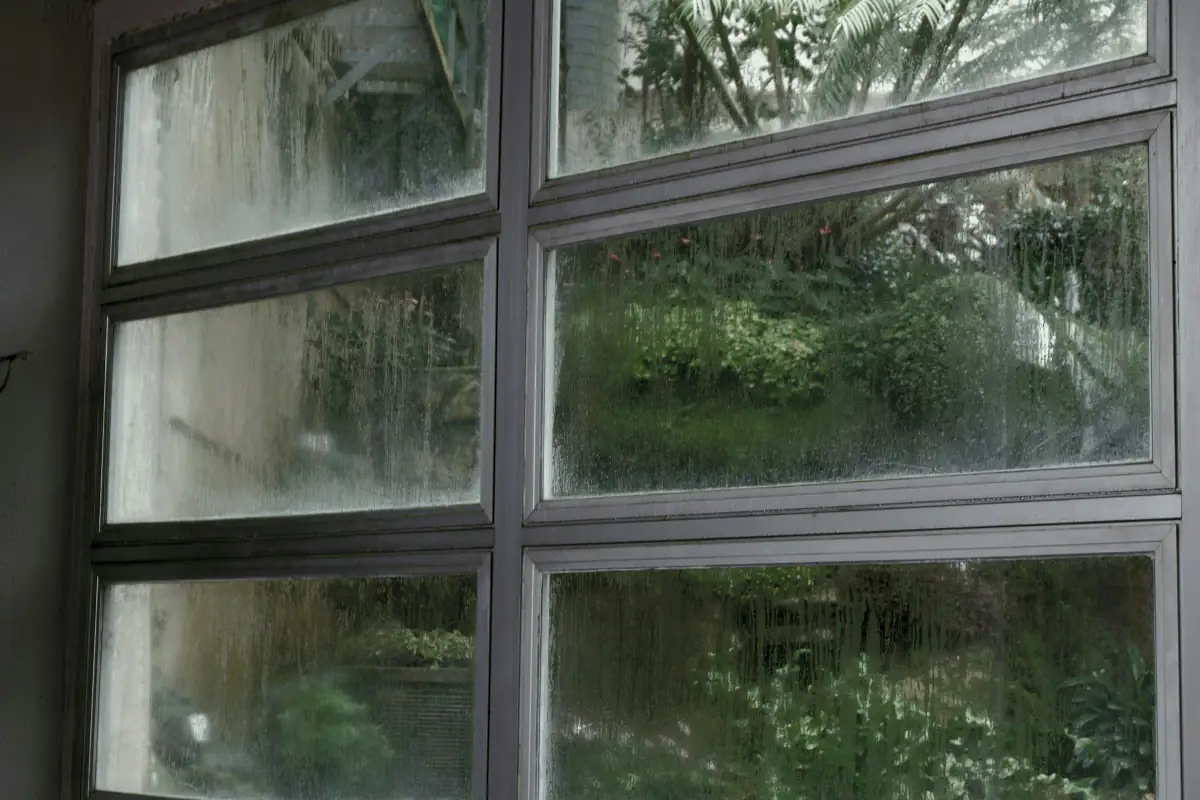
Winter is also when condensation shows up. It forms when warm, moist air meets a cold surface, so ventilation matters even with a warm roof. The LABC certificate for LivinRoof asks for ventilation that keeps the room’s relative humidity below 80%, and SupaLite recommends trickle vents around the window frames. Our page on conservatory condensation has more.
Winter booking checklist
- Ask when the roof will be weathertight and how the room is protected overnight.
- Ask who provides heating for the plaster to dry, and whether it is priced in.
- Confirm the roof is designed for your postcode’s snow and wind loads, and whether tie bars are specified.
- Get the building regulations application reference before the start date.
- Get the VAT rate and the start date in writing.
- Clear the conservatory and protect the route through the house.
- Leave decorating until the ceiling skim has fully dried.
When you get quotes, ask each installer the same questions so you can compare the answers as well as the prices. Our cost guides show typical fitted prices by roof type, and our list of questions to ask an installer covers the rest.
Questions people ask
Can I stay at home while the conservatory roof is replaced?
Yes, in most cases. Installers say the conservatory itself cannot be used while the work is under way, but the rest of the house is unaffected. One installer says its team seals the doors to the conservatory at the end of each day, which matters more when it is cold outside.
Will the new ceiling plaster dry properly in cold weather?
It can, if the room is kept warm enough. Ultraframe's installation guide, based on British Gypsum advice, says the temperature should be kept above 5°C until the plaster is dry. Ask the installer who provides the heating and whether it is included in the price.
Is it cheaper to replace a conservatory roof in winter?
We have not found any published evidence that prices change with the season. Lead times do vary between firms, so the practical benefit of booking in winter is usually a spring finish rather than a lower price. Compare several written quotes for the same specification.
How long is the wait from quote to installation?
It varies. One installer quotes 4 to 6 weeks from quote to the start of installation, and another says 4 to 10 weeks from survey to building control certificate. One forum user who ordered in May was still waiting for fitting in August, so ask for a start date in writing.
Should I book before the VAT change in April 2027?
Probably not for that reason. The zero rate on energy-saving materials ends on 31 March 2027, but HMRC says insulation fitted as part of a wider construction job is one standard-rated supply. A full roof replacement is therefore likely to be charged at 20% whenever it is done, so ask the installer to confirm the VAT rate in writing.
Sources
- Ultraframe LivinRoof installation guide (January 2026)
- Guardian Warm Roof installation guide
- Leka Systems: the process of changing a conservatory roof
- Guardian Building Systems: Guardian Warm Roof
- ExpertSure: Equinox roof review
- ExpertSure: conservatory roof replacement cost
- Tiled Roof: installer FAQs
- MyJobQuote: conservatory roof replacement costs
- Ultraframe glass roof technical guide (May 2025)
- Ultraframe: LivinRoof
- LABC Front Door: building regulations for conservatories
- BRE for DECC: Energy Follow-Up Survey 2011, Report 6: Conservatories
- HMRC VAT Notice 708/6: energy-saving materials
- Approved Document L, volume 1, 2026 edition
- Consumer Contracts Regulations 2013, regulation 36
- Digital Markets, Competition and Consumers Act 2024, Schedule 20
- Better Roof: do you need building regs for a conservatory roof
- GOV.UK: how to apply for building regulations approval
- Vivaldi: replacing a polycarbonate conservatory roof with glass
- MoneySavingExpert forum: replacing polycarbonate conservatory roof with glass
- MoneySavingExpert forum: replacing conservatory roof
Written by the Conservatory Roof Guide team
We research every figure from named sources: manufacturers' data, Met Office, HM Land Registry, LABC and published UK price guides. How we compare.
Reviewed by Zaib Khan
Founder of Conservatory Roof Guide. His team has handled 9,000+ conservatory roof quote requests from UK homeowners.