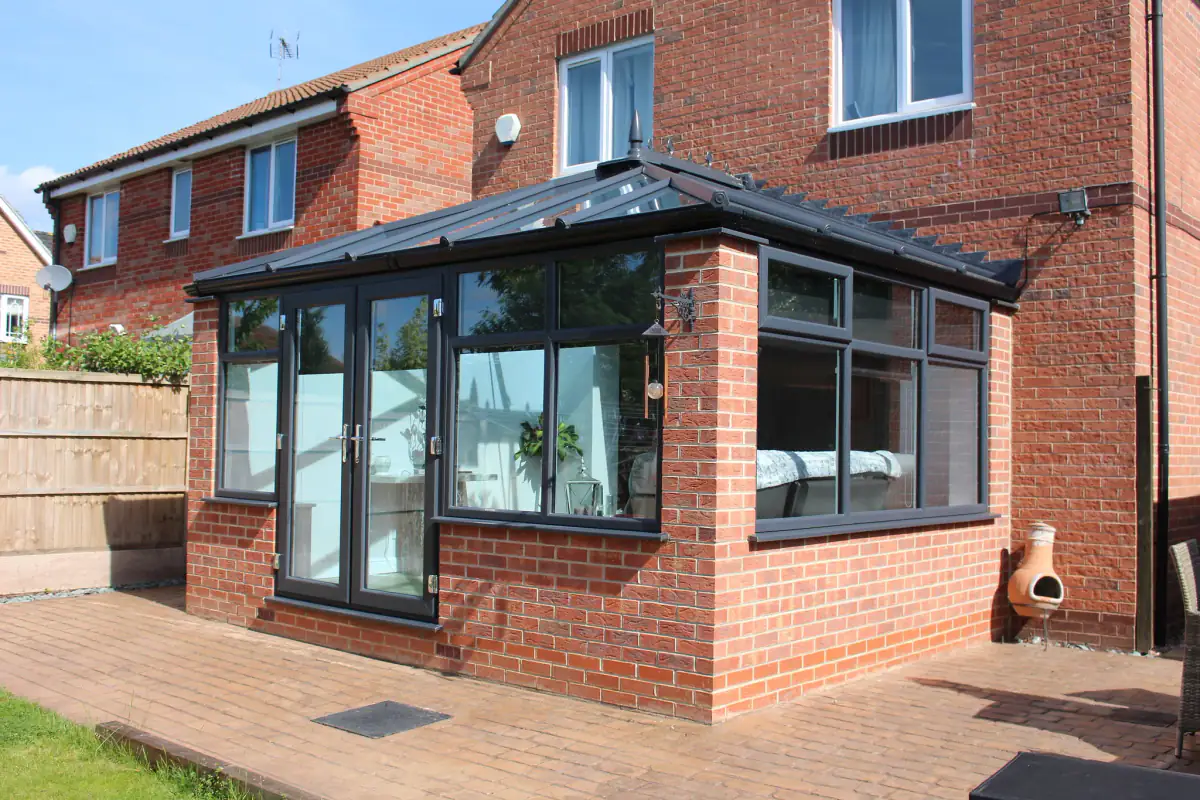
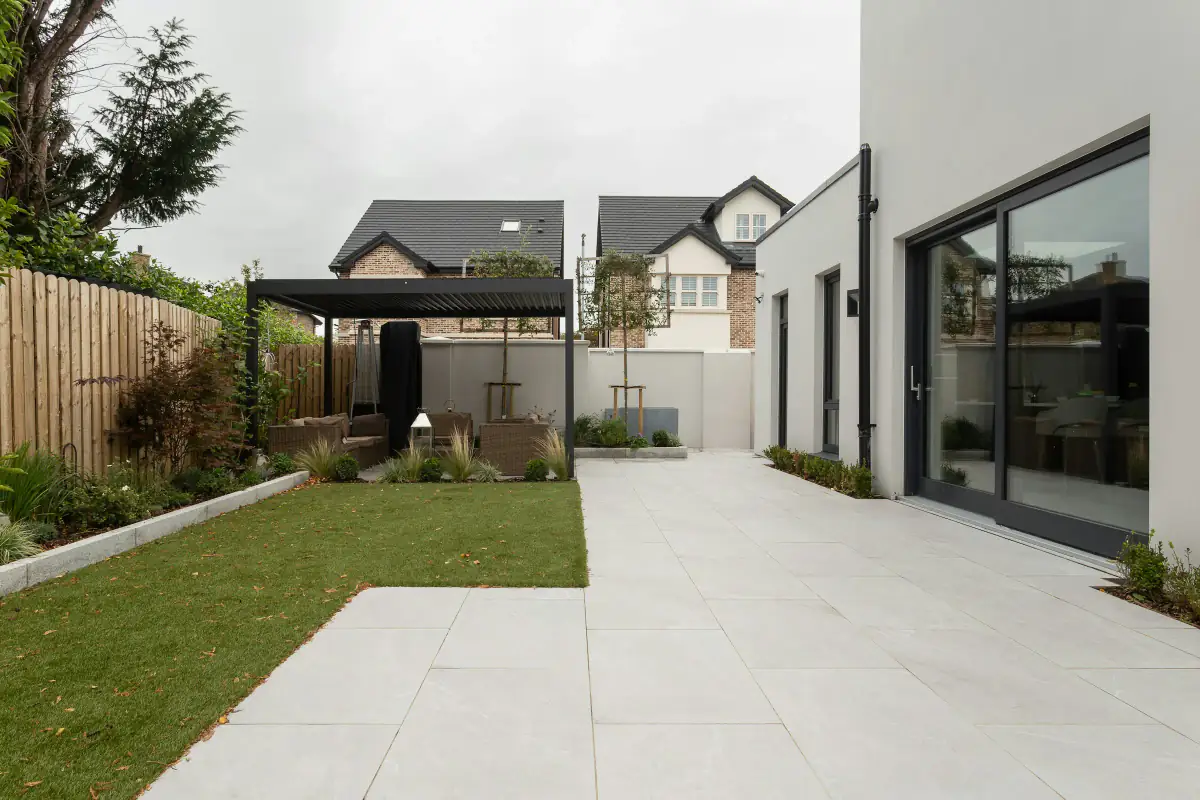
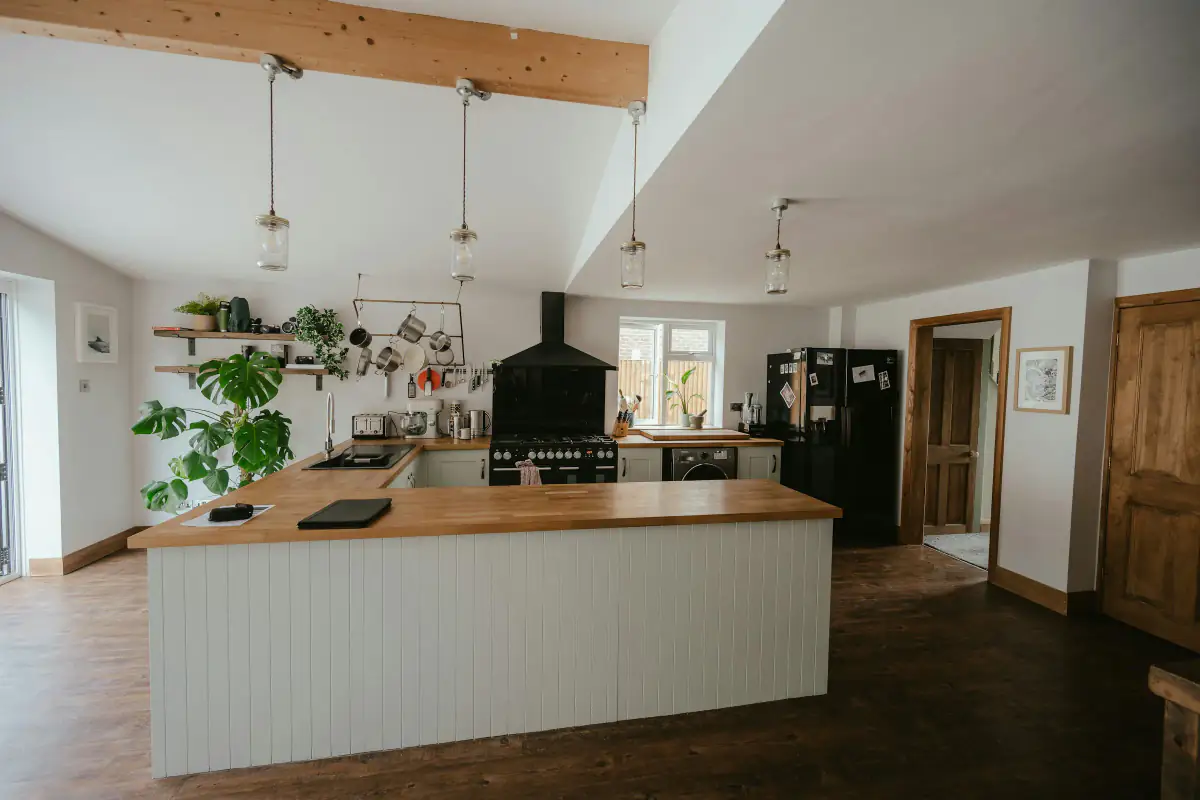
The short answer
- Warmest and quietest: a lightweight tiled roof with a U-value of 0.15 W/m²K or better, typically £7,400 to £12,100 on a medium conservatory.
- Most light: performance glass with a U-value of 1.0 to 1.2, typically £3,500 to £7,000, which lets in far less heat than old standard glass.
- Some of both: a hybrid roof with glazed panels, typically £6,600 to £12,600. Lowest cost: new polycarbonate or insulated panels.
- Not sure which fits? Answer three questions in our roof picker to narrow it down.
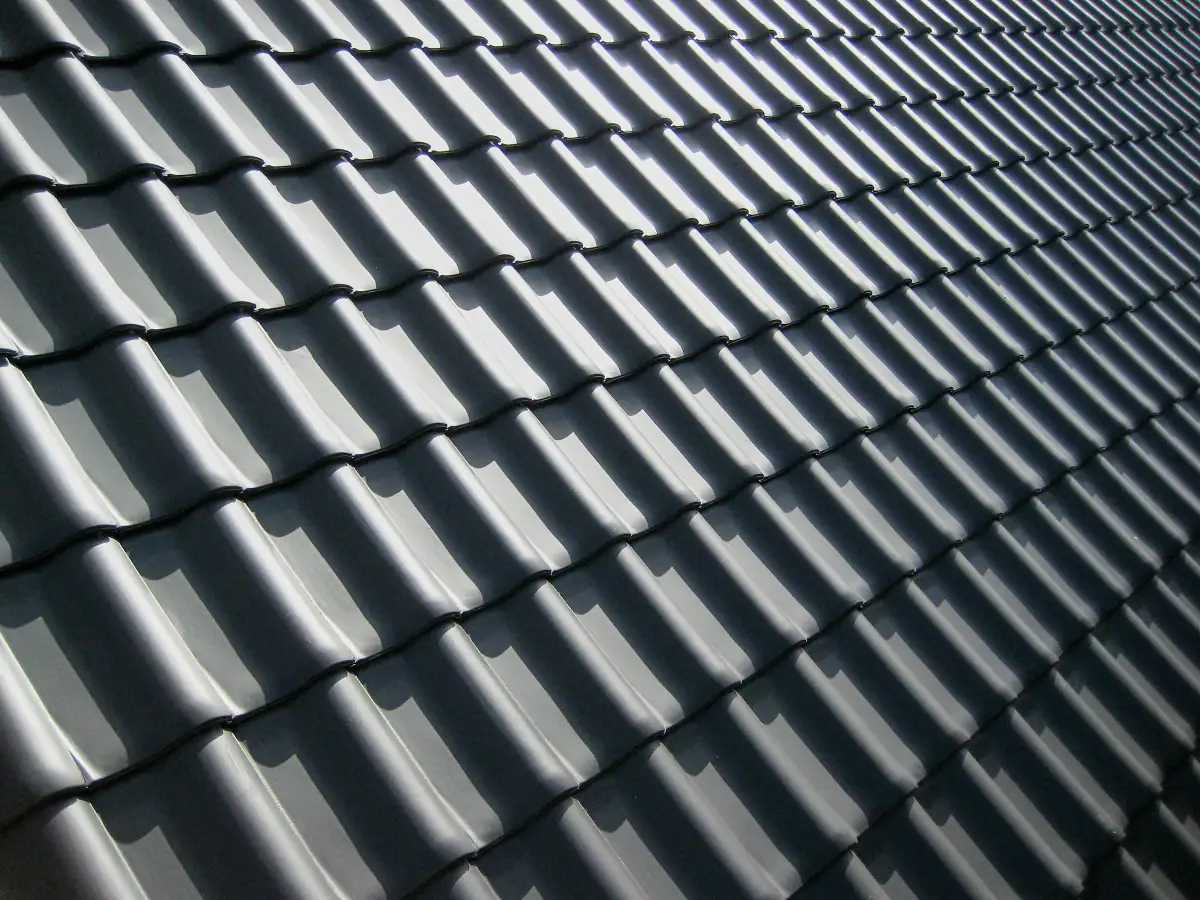
The best replacement roof is the one that fixes what is wrong with your conservatory at a price you are happy with. For most people that means the temperature: in a Which? survey of more than 3,000 conservatory owners in April 2026, 24% said their top regret was that the temperature is difficult to regulate. This guide matches the roof types to the common complaints, compares the main tiled systems on their published specifications, and lists the checks to make before you choose. If you would rather start with a shortlist, our roof picker asks three questions and suggests a roof.
What is the best replacement roof for a conservatory?
For most people who want to use the room all year, a lightweight insulated tiled roof, because it cuts heat loss and summer heat gain the most. If you want to keep the view of the sky, choose solar control glass instead. A hybrid roof combines the two, and panels or polycarbonate suit tight budgets.
Which? says glass roofs are the most common because they bring in more light, while tiles make a conservatory feel more like an extension. It also warns that the more glass in the roof, the greater the chance of overheating. That trade-off, light against comfort, is the decision at the heart of this page.
The options side by side
Prices are our typical ranges for a medium conservatory (about 4m x 3.5m), fitted. Installers usually quote including VAT, but check. U-values measure heat loss (lower is warmer); the solar figure is how much of the sun’s heat the roof lets through.
| Roof | Typical price | U-value (W/m²K) | Sun’s heat let in | Days on site | Building regs |
|---|---|---|---|---|---|
| Tiled or solid | £7,400 to £12,100 | 0.12 to 0.18 (maker figures) | None, except through roof windows | 3 to 6 | Approval needed |
| Hybrid | £6,600 to £12,600 | 0.15 to 0.18 in the solid areas | Some, through the glazed panels | 4 to 7 | Approval needed |
| Performance glass | £3,500 to £7,000 | 1.0 to 1.2 | 18% to 70%, depending on tint | 2 to 4 | Usually exempt like for like |
| Polycarbonate | £2,700 to £5,200 | 1.3 to 1.7 (25mm to 35mm) | 8% to 63%, depending on tint | 1 to 2 | Exempt like for like |
| Insulated panels | £1,800 to £4,600 | 0.29 to 0.98 (centre of panel) | None | 1 to 3 | Check before you buy |
| Orangery conversion | £14,000 to £35,000 | 0.15 to 0.18 in the solid areas | Through the lantern | 7 to 15 | Approval needed |
For comparison, Ultraframe gives a standard double glazed unit, the kind on many older glass roofs, a U-value of 2.8 and a g-value of 75%. Approved Document L requires 0.15 W/m²K for a new solid roof in England.
Best roof for a conservatory that is too hot
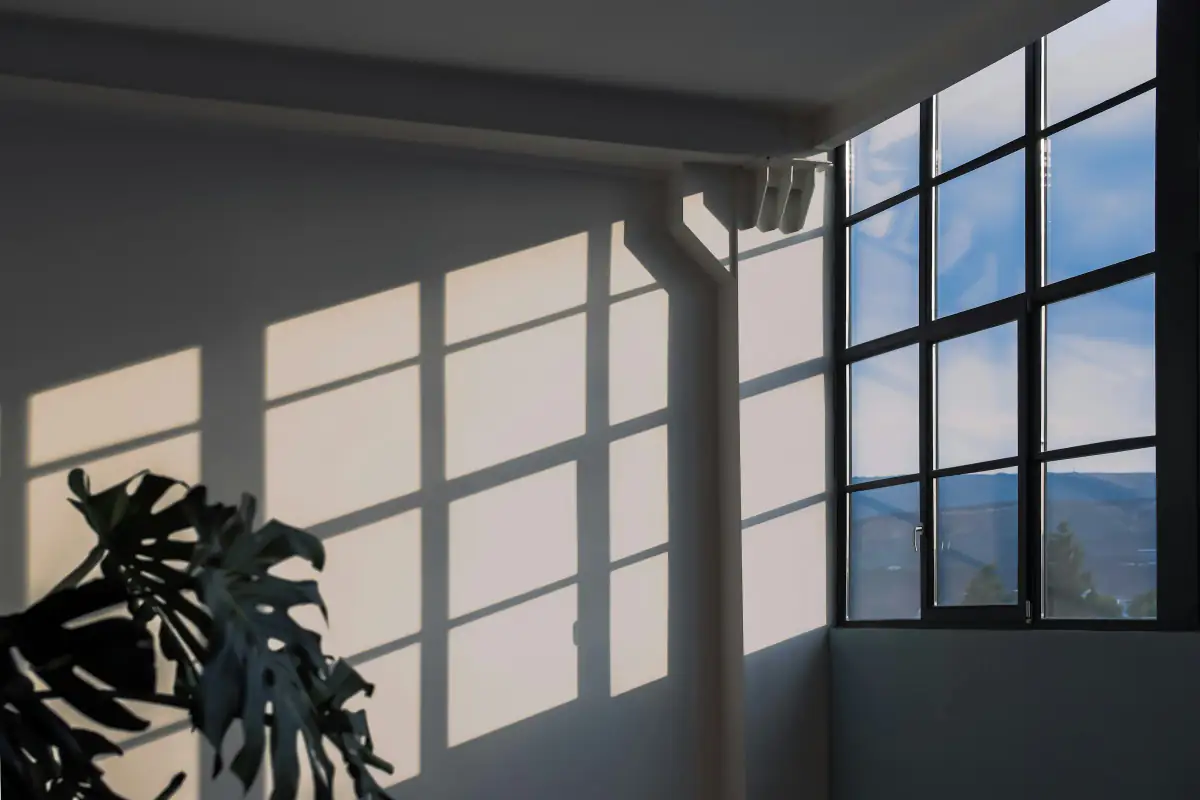
A tiled roof removes the problem at source: an opaque roof lets in no solar heat except through any roof windows. Homeowners on MoneySavingExpert who converted reported less overheating and a room they could use all year.
If you want to keep a glazed roof, the tint matters more than anything else. Ultraframe’s performance glass lets through between 18% and 70% of the sun’s heat depending on the grade and tint, against 75% for standard glass. Its advice is low light transmission, high solar rejection glass for south or west facing rooms. The strongest tints cut daylight hard, though: Clayton’s SMARTGLASS Ultra 86 lets through 15% of the light, and Pilkington’s Activ SunShade Blue 18%, so the room will feel noticeably darker.
Best roof for a conservatory that is too cold
Heat loss through the roof is the easiest part to fix, and the U-values show why a solid roof wins:
- a compliant tiled roof: 0.15 W/m²K in England, 0.13 in Wales and 0.12 in Scotland;
- performance glass: 1.0 to 1.2;
- 25mm to 35mm polycarbonate: 1.3 to 1.7; and
- insulated panels in the old frame: 0.29 at the centre of the panel, with the bars losing more.
A new roof does not fix everything. Several MoneySavingExpert posters said a converted conservatory still needed heating in winter, and that the windows, dwarf walls and floor matter too. If the frames and base are sound, the roof is still the biggest single improvement.
Best roof if you want to keep the light
Choose a glass roof with high light transmission and a low g-value. For north or east facing rooms, Ultraframe recommends high light transmission, low solar rejection glass. Its Clear 4S glass lets through 65% of the light and rejects 52% of the solar heat, and some solar control glass sits higher still.
A hybrid roof gives you warmth and pools of daylight. Ultraframe says LivinRoof’s glass panels can replace any of its solid panels, in almost any shape. SupaLite offers SkyVista solar control glass panels in its tiled roof, letting through up to 47% of the light, and Guardian offers VELUX and its own Solstice roof windows. Remember the rooms behind: homeowners warn that rooms which borrow light through the conservatory can get noticeably darker under a fully solid roof.
Best roof on a tight budget
The cheapest fix for a tired or leaking roof is new polycarbonate, typically £2,700 to £5,200 and fitted in a day or two. Which? warns it can be a false economy: it is less thermally efficient than glass, noisier in rain and lets in less light.
Insulated panels are the budget route to a warmer room, typically £1,800 to £4,600. They keep the old frame and insulate less well than a full warm roof, and LABC’s guidance suggests they are likely to need building regulations approval. If heat is the only issue, Which? puts solar control film on the roof glass at around £1,000 for an average-sized conservatory.
Which is the best tiled roof system?
We found no independent test that ranks them, so we cannot name one. The main systems all claim to meet England’s 0.15 W/m²K limit and all need building regulations approval; they differ in structure, weight, guarantee terms and the size of their installer networks. We have not tested them, so the table shows what each maker publishes.
| System | Structure | U-value claimed (W/m²K) | Guarantee | Installers |
|---|---|---|---|---|
| Guardian Warm Roof | Aluminium frame, insulated | 0.15 England, 0.13 Wales, 0.12 Scotland | 10-year product and 10-year workmanship, insurance-backed | Certified installers; ExpertSure estimates about 70 |
| Ultraframe UltraRoof | Insulated box eaves beam, structural insulated panels | 0.15 | 10-year parts | Ultraframe installers; also sold for self-build |
| Ultraframe LivinRoof (hybrid) | Glass roof chassis with insulated panels | 0.15, 0.12 option | 10-year parts | ExpertSure estimates about 35 |
| SupaLite | Aluminium frame | 0.15, 0.12 option | 10 years (product page) | ExpertSure estimates about 30, mainly North West |
| Leka | Glass reinforced plastic, no aluminium, steel or timber | From 0.10 | 40-year component warranty | More than 350 trained installers (Leka) |
| Eurocell Equinox | Aluminium rafters, ventilated deck | 0.15 (a review site quotes 0.18) | 10-year roof; tiles up to 40 years | ExpertSure estimates about 40 dealers |
| Warmer Roof | Timber pods on a glulam ring beam | 0.12 | 25-year manufacturing warranty | Trade supply to installers |
Weight also varies. Ultraframe quotes 31kg/m² for LivinRoof and 38kg/m² for UltraRoof, and SupaLite quotes 46kg/m². LABC says a lightweight composite solid roof typically adds less than 10% to the load of a glazed roof.
The product is only half the story. Low-star Trustpilot reviews of Guardian mention installers going into liquidation and building control certificates not being obtained, and Ultraframe’s mention water getting in at box gutters and flashing years after fitting. Our Guardian Warm Roof review covers one system in depth, and our tiled vs glass comparison sets out the head-to-head.
Checks before you choose
- Frames and base. A solid roof needs steel-reinforced frames and adequate foundations. LABC suggests checking frames with pilot holes or a magnet.
- Which way it faces. South and west facing rooms overheat most; north facing rooms suit clearer glass.
- Rooms behind. Check which rooms borrow light through the conservatory.
- Pitch. Lean-tos are often shallow. LivinRoof works from 5°, Equinox from 5° with SlateSkin, and SupaLite’s shingle tiles from 10°. Pilkington recommends at least 10° for self-cleaning glass.
- Where you live. Wales and Scotland need lower U-values than England, so check the specification matches.
When you get quotes, ask each installer to price the same roof type and specification, so the numbers compare like for like.
Questions people ask
Which is the warmest roof for a conservatory?
A solid insulated roof. England requires a new roof to reach 0.15 W/m²K, and some makers claim better: Warmer Roof quotes 0.12 and Leka says its roofs are offered from 0.10. Performance glass manages about 1.0 to 1.2, so it loses several times as much heat.
What is the best roof for a lean-to conservatory?
Check the pitch first, because lean-tos are often shallow. Ultraframe's LivinRoof works from 5°, Eurocell's Equinox goes down to 5° with its SlateSkin finish, and Icotherm offers a low-pitch version down to 3°. Pilkington recommends at least 10° for self-cleaning glass to work.
Is polycarbonate ever the best choice?
It can be, when the budget is tight or the room is little used. It is the cheapest roof, typically £2,700 to £5,200 on a medium conservatory, and quick to fit. Which? warns it can be a false economy, because it is noisier in rain, less thermally efficient than glass and lets in less light.
Does the installer matter more than the roof brand?
Often, yes. Most branded roofs are sold and guaranteed through local installers, and low-star reviews of roof makers mostly concern installers: leaks at gutters and flashing, missing building control certificates, and firms ceasing to trade. Check the installer's approval with the maker and ask who stands behind the guarantee.
Will a solid roof make my conservatory dark?
It cuts daylight, and homeowners warn that rooms which borrow light through the conservatory can become noticeably darker. Roof windows, glazed panels in a hybrid roof and recessed downlights can offset it. Check which rooms rely on the conservatory for light before choosing an all-solid roof.
Sources
- Which?: conservatories common pitfalls (April 2026 survey)
- Which?: types of conservatory
- Which?: the mistakes that will make your conservatory overheat in summer
- Ultraframe glass roof technical guide (May 2025)
- Ultraframe: Conservaglass roof glass
- Approved Document L, volume 1 (2021 incorporating 2023 amendments)
- LABC guidance on solid roofs to conservatories (May 2018 addendum)
- Guardian Building Systems: FAQ
- Ultraframe: LivinRoof
- Ultraframe: UltraRoof
- SupaLite: tiled roof
- SupaLite: SkyVista glass panel
- Leka Systems: the Leka system
- Warmer Roof: tiled roof system
- Icotherm: IcoRoof
- ExpertSure: Equinox roof review
- ExpertSure: Guardian Warm Roof review
- ExpertSure: LivinROOF review
- ExpertSure: SupaLite vs Guardian roof
- Trustpilot: Guardian Building Systems
- Trustpilot: Ultraframe
- Pilkington: Activ SunShade
- Clayton Glass: SMARTGLASS
- PanelX insulated conservatory roof panels
- MoneySavingExpert forum: solid conservatory roof opinions and experiences
- MoneySavingExpert forum: replacing conservatory roof
Written by the Conservatory Roof Guide team
We research every figure from named sources: manufacturers' data, Met Office, HM Land Registry, LABC and published UK price guides. How we compare.
Reviewed by Zaib Khan
Founder of Conservatory Roof Guide. His team has handled 9,000+ conservatory roof quote requests from UK homeowners.